Supply chain security refers to the protection of digital assets, data, and systems across the supply chain from cyber threats. This includes manufacturers, suppliers, distributors, and other entities involved in the production and distribution of goods and services. These entities play a critical role in ensuring products and services reach end-users effectively and securely. However, they also introduce new risks that can be exploited by hackers.
With the increasing digitization and interconnectedness of supply chains, cyber security has become a crucial concern for businesses globally. Supply chains now rely heavily on digital technologies and third-party services to optimize productivity and streamline operations. Consequently, this technological reliance creates vulnerabilities. Every supplier, distributor, and transporter serves as a potential entry point for cybercriminals looking to exploit weak links.
Hardware-Based Threats to Supply Chain Security
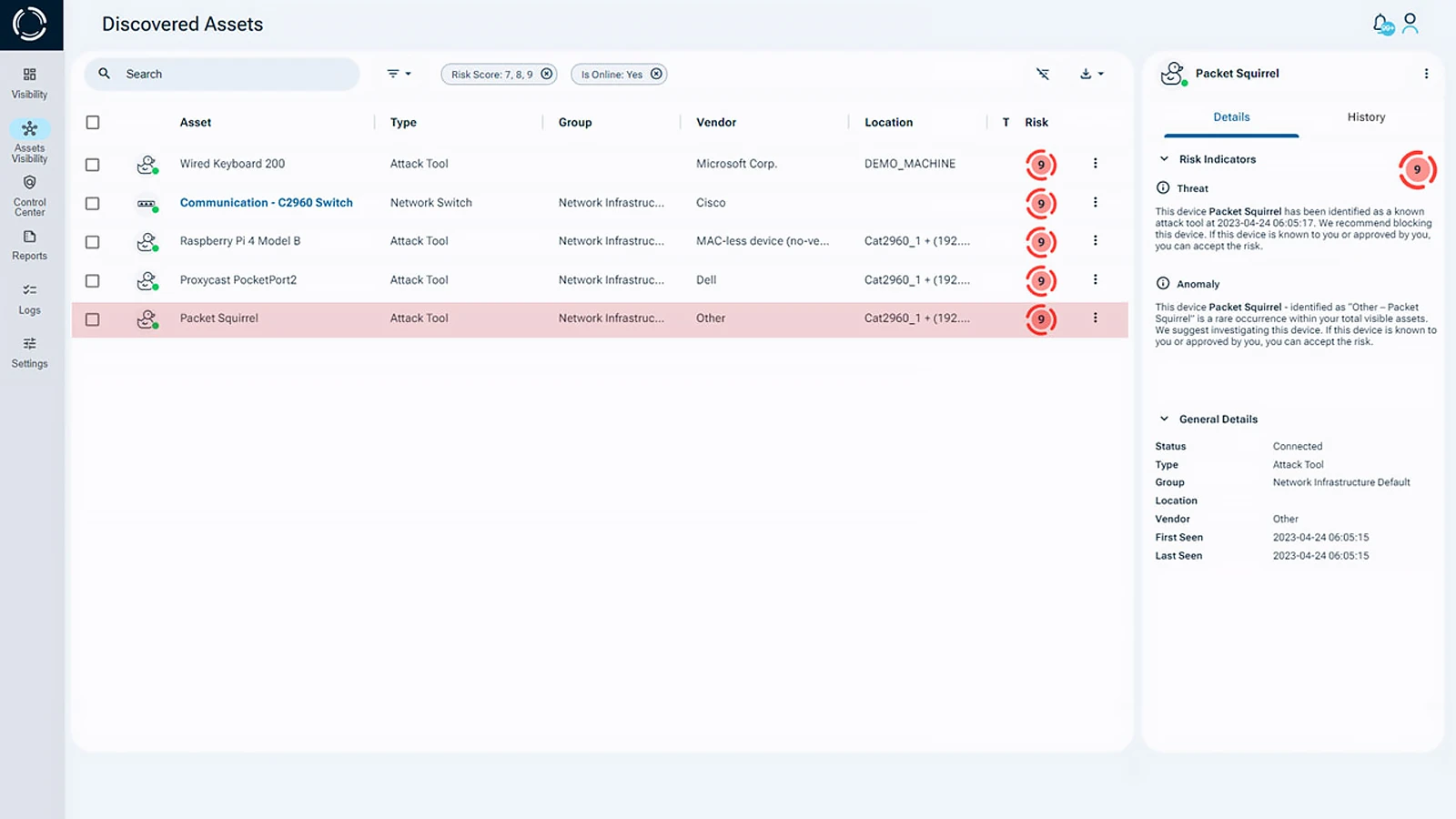
Hardware-based attacks pose a unique challenge because they bypass traditional cyber defenses. Rogue Devices and spoofed peripherals can be introduced at any stage of the supply chain, from manufacturers to distributors to end-users, creating significant supply chain security risks. These assets appear legitimate to both humans and security tools but can execute harmful actions like data theft, malware injection, DDoS attacks, or Man-in-the-Middle (MiTM) attacks.
The importance of securing the supply chain has been highlighted by the U.S. Cybersecurity and Infrastructure Security Agency (CISA), which warns that organizations must address risks introduced by suppliers, third-party vendors, and components throughout the supply chain. Moreover, as supply chains grow more digitized and interconnected, the physical layer becomes a critical point of vulnerability, making effective supply chain cybersecurity increasingly important.
How Rogue Devices Exploit Supply Chain Security
Attackers often target suppliers as a pathway to reach high-value targets. For example, consider an organization updating its keyboards, mice, and security cameras. These devices pass through multiple suppliers before reaching the end user. A hardware-based attacker may manipulate hardware at any point in transit, turning it into a Rogue Device that can bypass network defenses.
For example, in many documented incidents, organizations remain unaware of these compromised assets for months or even years. During this time, attackers can collect credentials, monitor network traffic, and escalate privileges. Because Rogue Devices operate below the software layer, traditional endpoint detection and response (EDR) tools often fail to identify them.
This persistence makes hardware-based supply chain attacks especially dangerous for critical infrastructure, healthcare, finance, and government organizations.
Without Layer 1 visibility, the ability to see every physical device connected to the network, these attacks remain invisible to traditional security solutions such as NAC, EPS, IDS, and IoT network monitoring. Rogue Devices exploit this blind spot to infiltrate networks and endpoints, potentially causing widespread damage.
Business Impact of Supply Chain Cyber Attacks
A successful supply chain cyber attack can have severe consequences for organizations, including:
- Operational downtime and service disruptions
- Loss of sensitive customer and business data
- Regulatory penalties and compliance violations
- Financial losses and legal liability
- Long-term reputational damage
For organizations that rely on continuous operations, such as logistics providers, manufacturers, and critical infrastructure operators, even a brief disruption can result in significant revenue loss and operational challenges.
The impact of supply chain cyber attacks continues to grow as organizations become increasingly dependent on third-party suppliers, service providers, and interconnected technologies. According to the Cybersecurity and Infrastructure Security Agency (CISA) supply chain compromises can affect multiple organizations simultaneously, amplifying operational, financial, and cybersecurity risks across the broader ecosystem. Similarly, IBM’s highlights the substantial financial impact that cyber incidents can have on organizations, particularly when third parties are involved.
Strengthening Supply Chain Security with Physical Layer Visibility
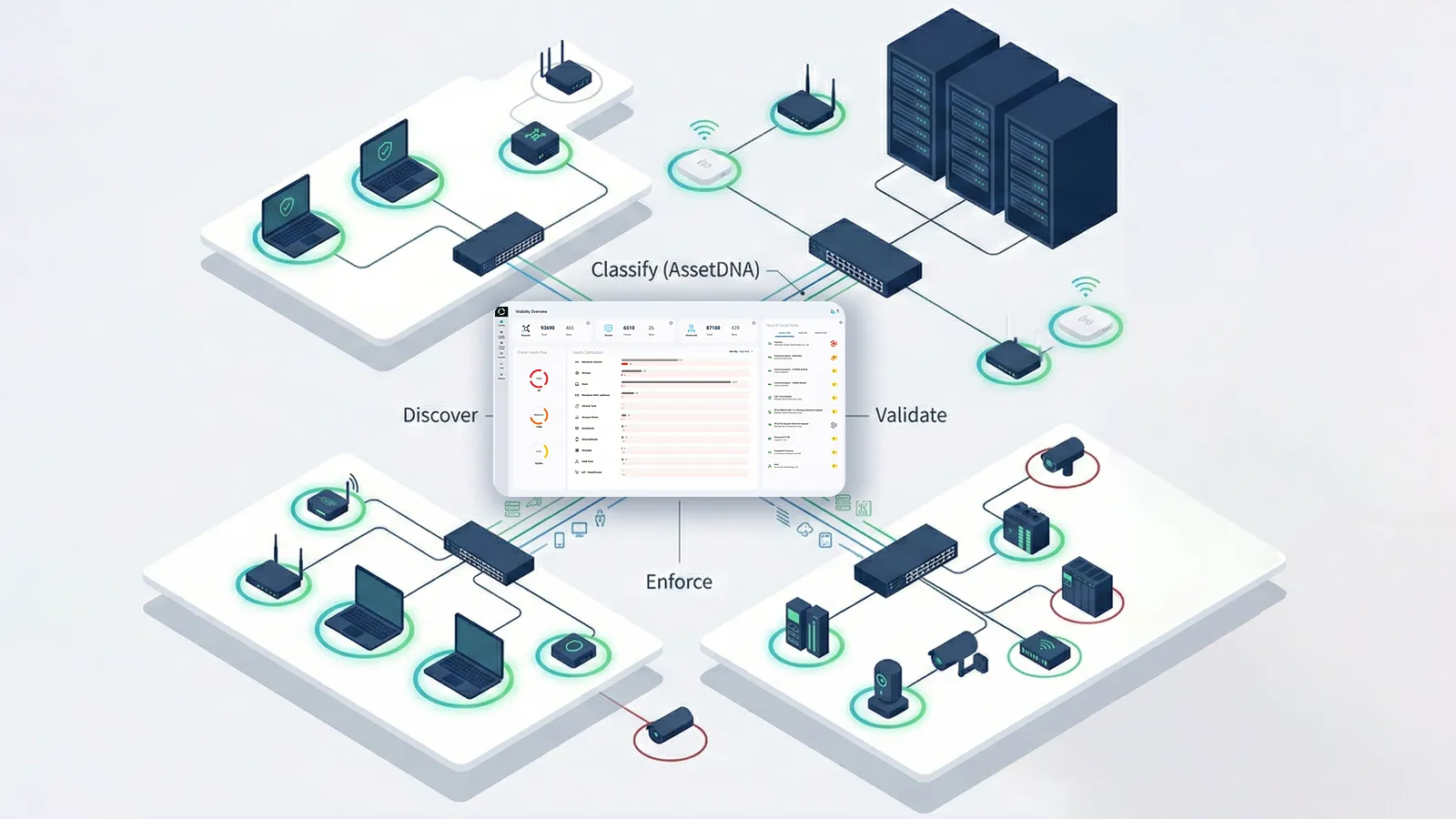
Sepio’s platform closes the visibility gap that traditional cybersecurity tools leave behind. By providing complete hardware visibility, organizations can identify, manage, and secure IT, OT, and IoT assets throughout the supply chain.
Key Features Include
Holistic Asset Risk Visibility
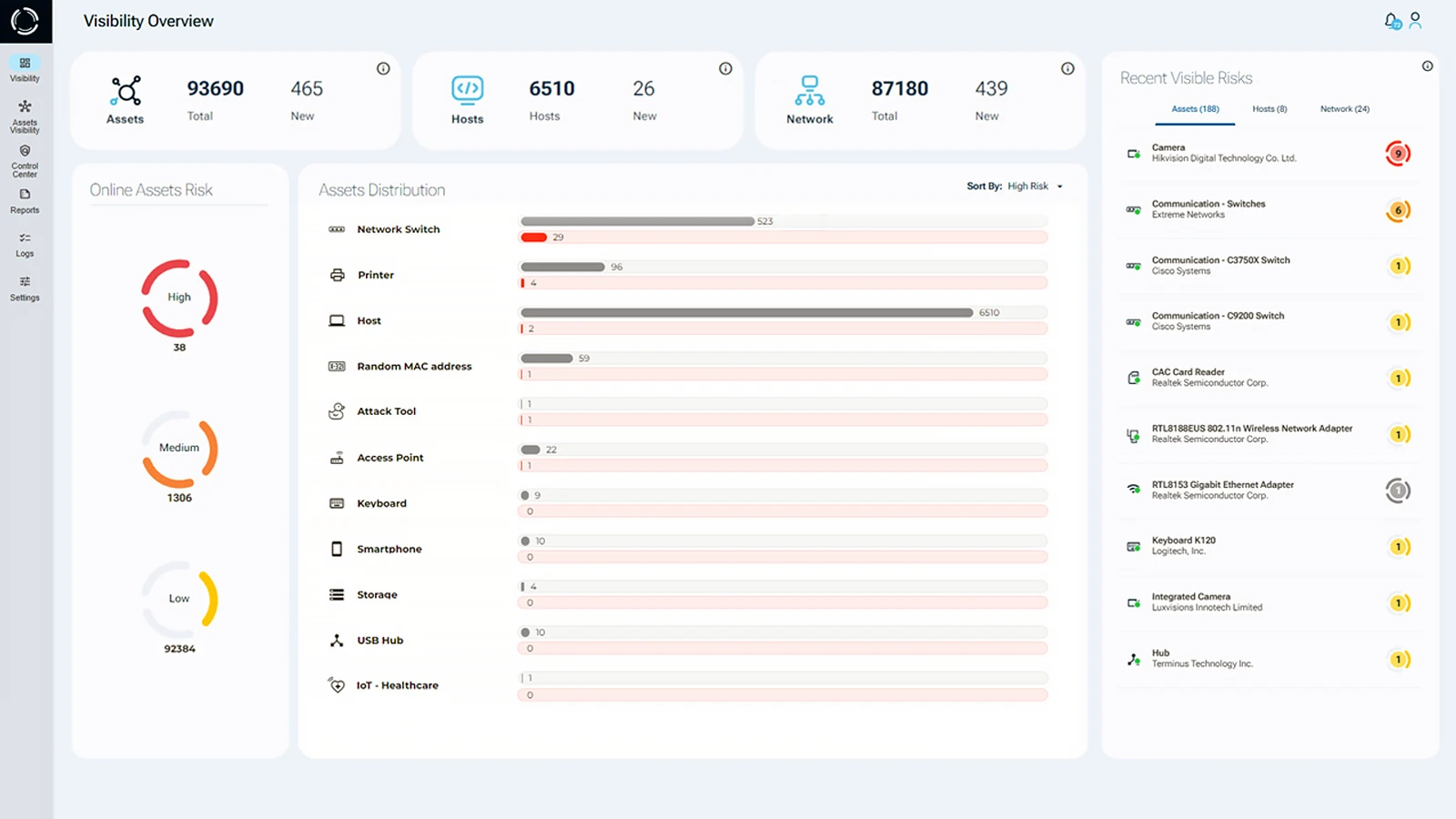
Using physical layer data, Sepio creates a unique AssetDNA™ profile for every known and shadow device, identifying hardware cyber security risks across IT, OT, and IoT environments. Patented algorithms eliminate misleading hardware signatures, providing organizations with a single, reliable source of asset visibility.
Actionable Risk Intelligence
Sepio generates an Asset Risk Factor (ARF) score for every asset using DNA profiles, business context, and behavioral analytics. Assets are classified as high, medium, or low risk, helping security teams prioritize remediation and respond faster to threats. Continuous monitoring ensures risk scores are updated as device behavior changes.
Zero Trust Hardware Access (ZTHA) & Policy Enforcement
Sepio applies Zero Trust Hardware Access (ZTHA) principles at the hardware level. Each device is continuously evaluated against policies and ARF scores. Rogue Devices or policy violations are automatically blocked or isolated, preventing unauthorized hardware from accessing networks or endpoints.
Scalable Deployment and Integration
Sepio’s trafficless deployment enables rapid, large-scale implementation without network disruption. The platform integrates with NAC, EDR, XDR, and Zero Trust solutions, strengthening existing security investments and simplifying operations.
By securing the physical layer, Sepio protects networks and endpoints from hardware-based attacks, helping organizations maintain a secure and resilient supply chain.
Conclusion
Supply chain cyber security extends beyond protecting software and network traffic. Organizations must also understand and control the physical assets connecting to their environments, as compromised hardware can introduce risks that remain invisible to traditional security controls.
Through patented Layer 1 visibility, asset intelligence, and Zero Trust Hardware Access (ZTHA), Sepio enables organizations to identify Rogue Devices, prioritize hardware-related risks, and strengthen supply chain security across IT, OT, and IoT environments.
See every known and shadow asset. Prioritize and mitigate risks. Talk to an expert to learn how Sepio’s patented technology helps secure modern supply chains from hardware-based threats.