
Cybersecurity for Financial Institutions:
Zero Trust Hardware Access for Banks and Financial Services
Effective cybersecurity for financial institutions requires visibility into every connected asset. As organizations adopt Zero Trust strategies, they must verify not only users and applications, but also the hardware connecting to critical systems.
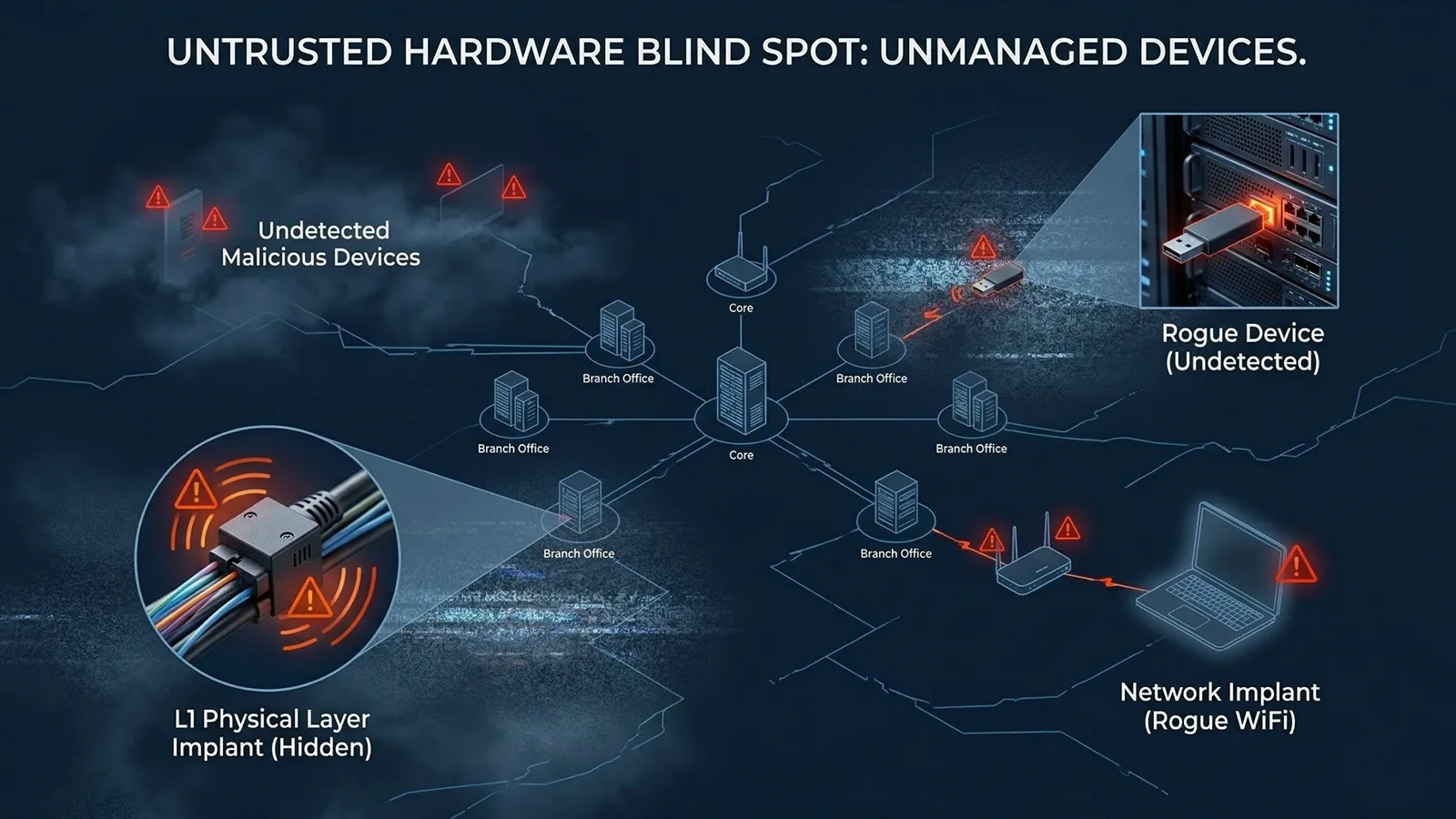
See the Devices Your Cybersecurity Stack Still Assumes Are Trustworthy
Financial institutions face a rapidly evolving threat landscape, from ransomware and phishing attacks to insider threats and ATM fraud. Yet many security tools still rely on declared device identities and network visibility alone.
As a result, rogue devices, spoofed peripherals, network implants, and other unauthorized hardware can remain hidden across branches, offices, data centers, and ATM networks.
These blind spots increase cyber risk, complicate compliance efforts, and create opportunities for fraud and operational disruption.
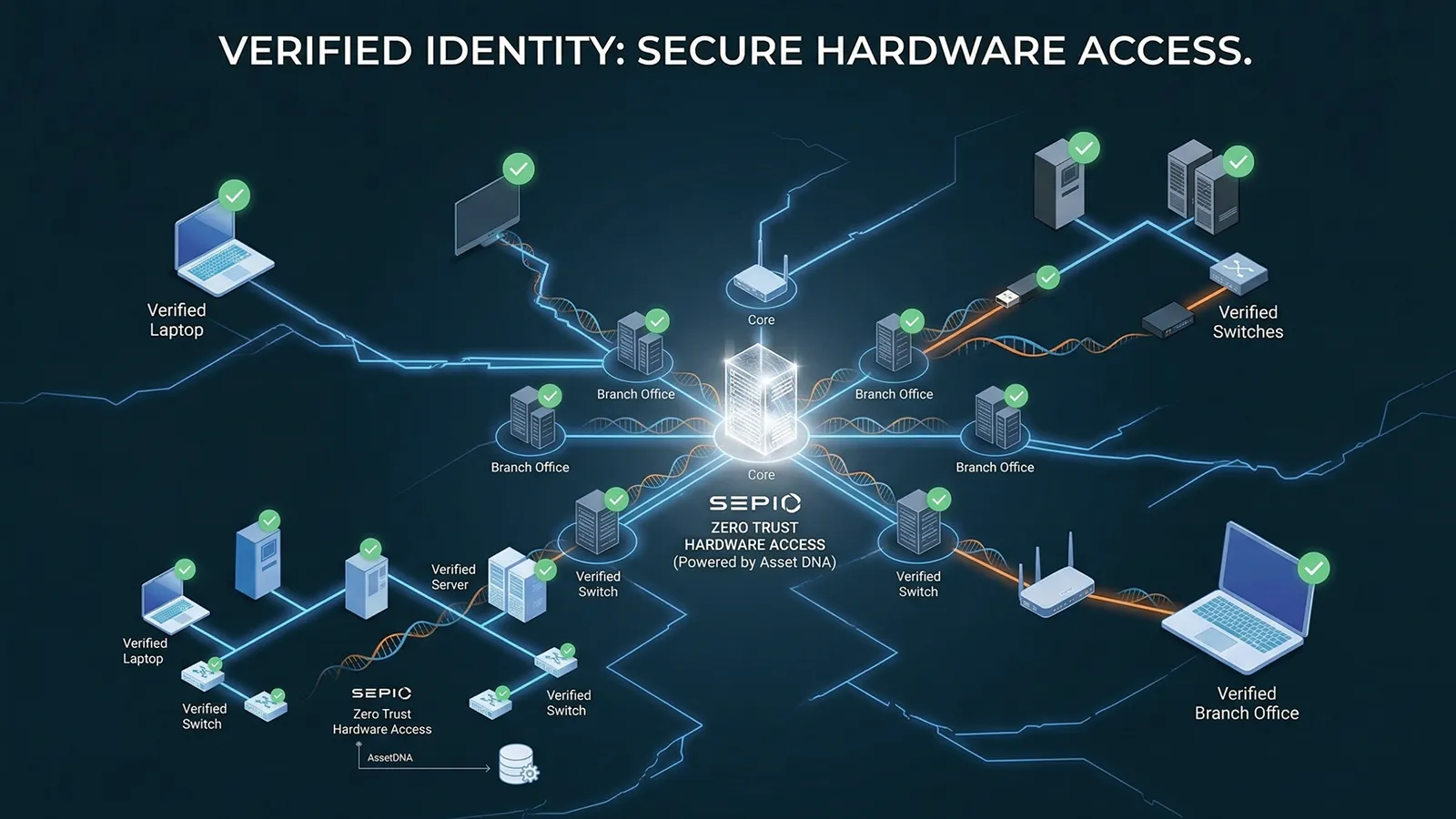
Strengthen Cybersecurity for Financial Institutions with Hardware-Level Trust
Sepio helps financial institutions close a critical security gap by extending Zero Trust principles to the physical layer.
By using patented physical-layer intelligence, Sepio discovers connected assets, validates their true identity, and establishes trust at the hardware level.
This gives security teams accurate visibility into both known and unknown devices without relying on traffic monitoring alone.
With Sepio, financial organizations can strengthen their Zero Trust architecture by bringing hardware into the trust equation, so access decisions are based not only on who is connecting, but also on what is actually connected.
Trusted by Industry Leaders

{Sepio is a} unique solution that addresses a missing control and provides us with the visibility to areas in the organization that were blind until now.
CISO, Tier 1 Bank
Cybersecurity Benefits for Financial Institutions

Prevent Fraud and Hardware-Based Threats
Detect rogue devices, hidden implants, USB spoofing, and man-in-the-middle hardware before they can be used against your environment.

Asset Visibility Across Banking Infrastructure
Gain real-time visibility into known, unknown, managed, unmanaged, and hidden devices across branches, offices, ATMs, and data centers.

Enforce Trust Before Access
Validate hardware identity and apply policy based on what a device truly is, not just what it claims to be.


Reduce Cyber Risk and Operational Resilience
Identify vulnerabilities across hardware assets and reduce exposure to ransomware, insider threats, and supply chain risks.

Close Hardware Trust Gaps
Complement NAC and other security controls with physical-layer asset intelligence that reveals what traditional tools can miss.

Managing Cyber Risk in Modern Financial Environments
Connected assets in financial institutions are growing rapidly, increasing the attack surface across digital banking infrastructure.
To maintain control, financial institutions need visibility beyond declared identity and network traffic. They must see every connected asset, on the network, locally attached, or hidden behind spoofed characteristics, and determine whether it can be trusted.
Sepio’s Zero Trust Hardware Access uses Physical Layer, data to deliver accurate asset visibility and hardware-level validation across enterprise, branch, and ATM environments. This enables security teams to discover unmanaged and rogue assets, understand where they are connected, and enforce policy based on hardware truth.
Rather than assuming trust, Sepio enables continuous hardware identity verification, helping financial institutions prioritize and reduce the highest operational and cyber risks.

Protecting ATMs from Cyber Attacks and Fraud
ATMs remain a prime target for hardware-based attacks, including black box and man-in-the-middle techniques that often evade traditional controls. These attacks rely on unauthorized devices and hidden implants that standard network tools fail to identify.
Because these threats often lack a normal network identity, they remain invisible to solutions based on Layer 2 visibility, traffic inspection, or endpoint controls. This is exactly where Zero Trust Hardware Access becomes essential.
Sepio enables financial institutions to detect unauthorized hardware at the physical layer, validate device identity, and establish trust before devices can be used maliciously. This helps reduce exposure to fraud, improve resilience, and extend Zero Trust to one of the most targeted parts of financial infrastructure.
More about Cyber Security for Financial Institutions


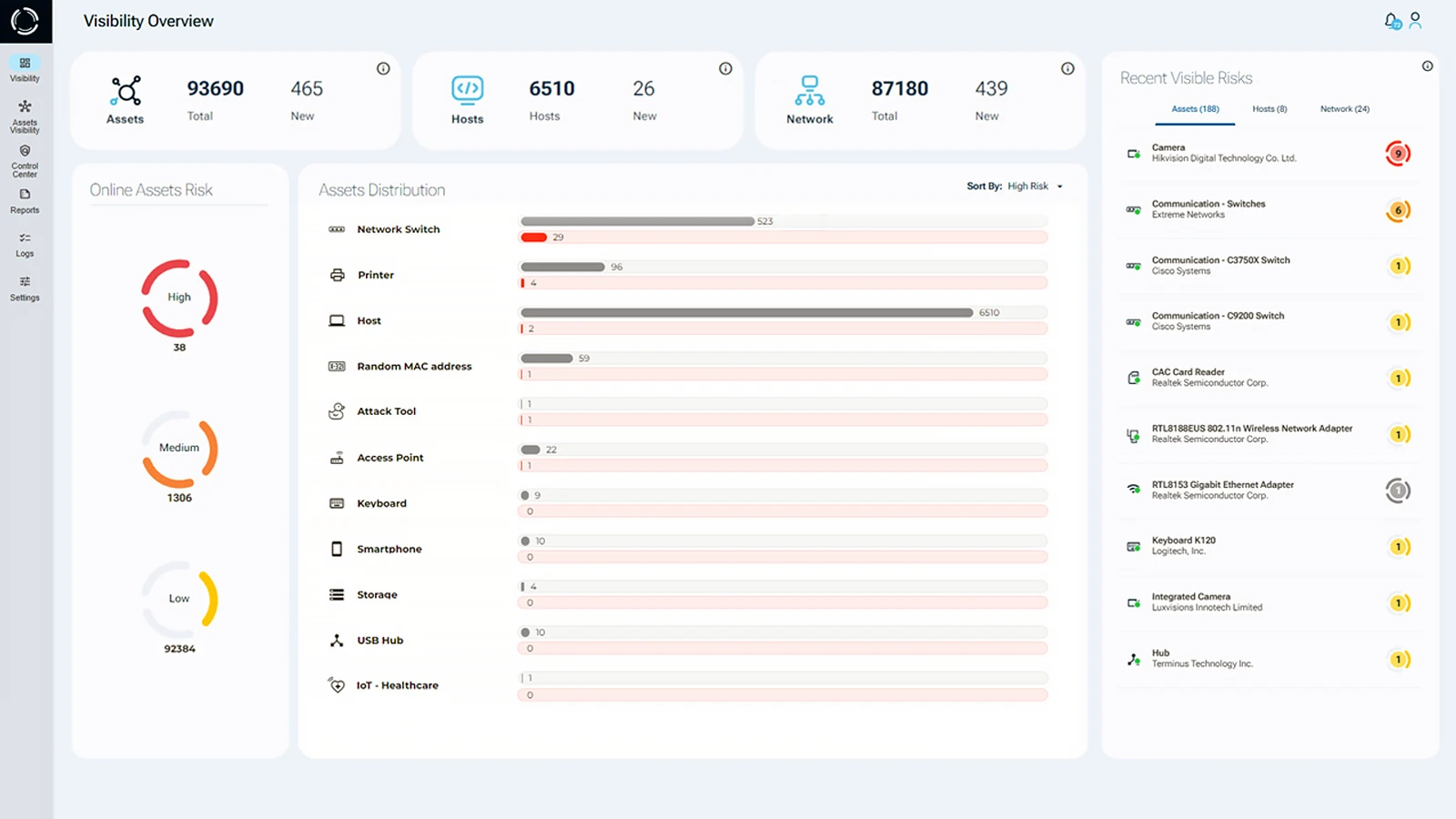
Enhance Cybersecurity Across Your Financial Institution
Gain complete visibility across all connected devices within your financial environment. Sepio helps banks and financial institutions identify unknown and unmanaged assets, reduce cyber risk, and strengthen security across complex, highly regulated networks.
Frequently Asked Questions
Cybersecurity for financial institutions involves protecting banking systems, customer data, payment infrastructure, and connected assets from cyber threats. A strong security strategy requires visibility into all assets, including hardware devices that traditional security tools may overlook.
Zero Trust Hardware Access helps banks and financial institutions verify the identity and trustworthiness of connected hardware before it becomes a blind spot. It extends zero trust down to the physical layer, where rogue devices, spoofed peripherals, and unauthorized network implants can otherwise go unseen.
Financial environments are dense with ATMs, branch systems, endpoints, peripherals, and third-party devices. When security teams cannot see every connected asset, they inherit unnecessary exposure, including operational disruption, compliance risk, and hidden attack paths.
Yes. Sepio is designed to identify known, unknown, unmanaged, and manipulated hardware assets across distributed financial environments. That includes devices traditional tools may miss, such as network implants, spoofed USB devices, and unauthorized connections.
By building a trusted hardware inventory and exposing hidden assets, Sepio helps financial institutions strengthen control validation, reduce asset-related uncertainty, and support internal risk, audit, and regulatory initiatives.
No. Sepio complements existing tools by adding hardware truth and physical-layer evidence they typically lack. This helps financial institutions close visibility gaps and make existing controls more effective.