Nuclear cyber security is critical for protecting nuclear facilities, nuclear power plants, and other nuclear OT environments from increasingly sophisticated cyber threats. As digital transformation expands connectivity across IT, OT, IoT, and industrial control systems, the attack surface continues to grow. Traditional security solutions focus on software, endpoints, and network traffic, but often overlook the physical layer, where rogue devices, supply chain threats, and unauthorized assets can remain undetected.
This article explores the key challenges facing nuclear cyber security, the risks posed by hardware-based attacks, and how complete asset visibility and Zero Trust principles can help strengthen the security and resilience of critical nuclear infrastructure.
What Is Nuclear Cyber Security?
Nuclear cyber security is the practice of protecting the digital systems, operational technology (OT), and connected hardware used in nuclear facilities from cyber threats, unauthorized access, and malicious manipulation. It encompasses both cyber and physical security measures to ensure the safe, secure, and reliable operation of critical nuclear infrastructure.
Why Nuclear Cyber Security Is Critical
Nuclear facilities are essential to national security, energy production, and public safety. A successful cyberattack can disrupt operations, compromise sensitive systems, or impact critical infrastructure. As cyber threats become more advanced, effective nuclear cyber security strategies must protect not only software and networks but also the hardware assets that traditional security tools often overlook.
Key Cybersecurity Challenges in Nuclear OT Environments
Nuclear Operational Technology (OT) environments face unique security challenges. As a result, they require robust nuclear cyber security measures:
Advanced Persistent Threats (APTs) Targeting Nuclear Hardware
Government agencies are prime targets of sophisticated, state-sponsored APTs focused on espionage or sabotage. These attacks can remain undetected for extended periods. Furthermore, they often involve hidden hardware, highlighting the critical need for nuclear cyber security measures.
Supply Chain Vulnerabilities
The global supply chain poses major risks such as counterfeit hardware, unauthorized changes, and malicious components from OEMs. Regulations like NEI 08-09 and NRC RG 5.71 ban equipment from certain foreign manufacturers. This requires frequent checks to verify hardware origin and integrity. Strong nuclear cyber security must include supply chain inspection at the hardware level.
Proliferation of IT, OT, and IoT Devices in Nuclear Environments
Modern nuclear operations extensively integrate Information Technology (IT), Operational Technology (OT), and Internet of Things (IoT) devices, including Industrial IoT (IIoT). This convergence greatly increases the attack surface. Many devices, especially older OT systems, were not built with strong cybersecurity and lack proper security features. This creates unique challenges for nuclear cyber security.
Physical Layer (“Layer 1”) Blind Spots in Nuclear Cyber Security
Existing security solutions, such as Network Access Control (NAC), Intrusion Detection Systems (IDS), Endpoint Protection Solutions (EPS), and IoT Network Security, operate at higher network layers (Layer 2 and above). This creates a critical “blind spot” at the physical layer. Undetectable hardware attacks can bypass security protocols here, making this a major concern for nuclear cyber security.
Rogue Device Exploitation
Hackers exploit the Layer 1 blind spot using Rogue Devices, hardware tools like BadUSB or covert network implants. These appear as trusted devices or have no network presence (no IP or MAC address), bypassing traditional security. Moreover, small and easily accessible tools, such as Raspberry Pis can be easily configured for malicious activity and often go unnoticed.
Insider Risk
Whether intentional or accidental, employees can introduce vulnerabilities by connecting compromised personal or rogue devices, especially in remote work environments (BYOD). See CISA nuclear sector cybersecurity framework for guidance on mitigating insider risks in critical infrastructure.
Hardware-Level Security for Nuclear Cyber Security
Traditional cybersecurity tools focus on software, endpoints, and network traffic, leaving a critical blind spot at the physical layer. Hardware-level security closes this gap by identifying every connected asset based on its physical characteristics, enabling organizations to detect unauthorized devices, strengthen Zero Trust architectures, and improve supply chain assurance. The Sepio Platform delivers these capabilities through the following features.
Physical Layer Visibility
Sepio analyzes electrical characteristics and device descriptors to create a unique digital AssetDNA™ for every connected asset. This ensures true device identification, regardless of how it behaves or what it claims, and provides full visibility across all IT, OT, and IoT devices, including those that do not generate network traffic.
Rogue Device Mitigation
Using AssetDNA™ and Machine Learning, Sepio identifies anomalous behavior and detects rogue devices, such as disguised peripherals or covert implants. Suspicious devices are automatically blocked based on predefined security policies.
Zero Trust Hardware Access
Sepio extends Zero Trust principles to the physical layer by enforcing access controls based on a device’s real characteristics and risk profile, preventing unauthorized devices from bypassing traditional authentication mechanisms.
Supply Chain Security
By providing complete, real-time asset visibility, Sepio helps security teams detect tampered hardware, identify unauthorized or banned components, and block supply chain attacks, supporting compliance with NEI 08-09 and NRC RG 5.71.
Sepio’s continuous asset monitoring and detailed inventory also align with NRC and NIST standards for asset management, physical security, and system integrity, providing essential data for certification and strengthening nuclear cybersecurity.
Rapid, Non-Intrusive Deployment
Sepio requires only read-only access to network infrastructure and operates without monitoring network traffic, making it well-suited for sensitive, air-gapped environments. Full visibility can be achieved rapidly without prior baselining.
Supporting Nuclear Cyber Security Compliance
Meeting nuclear cybersecurity requirements demands continuous visibility into hardware assets, effective asset management, and protection against both physical and cyber threats. Frameworks and guidance from the NRC, NIST, and CISA emphasize the importance of maintaining accurate asset inventories, ensuring system integrity, and reducing supply chain risk.
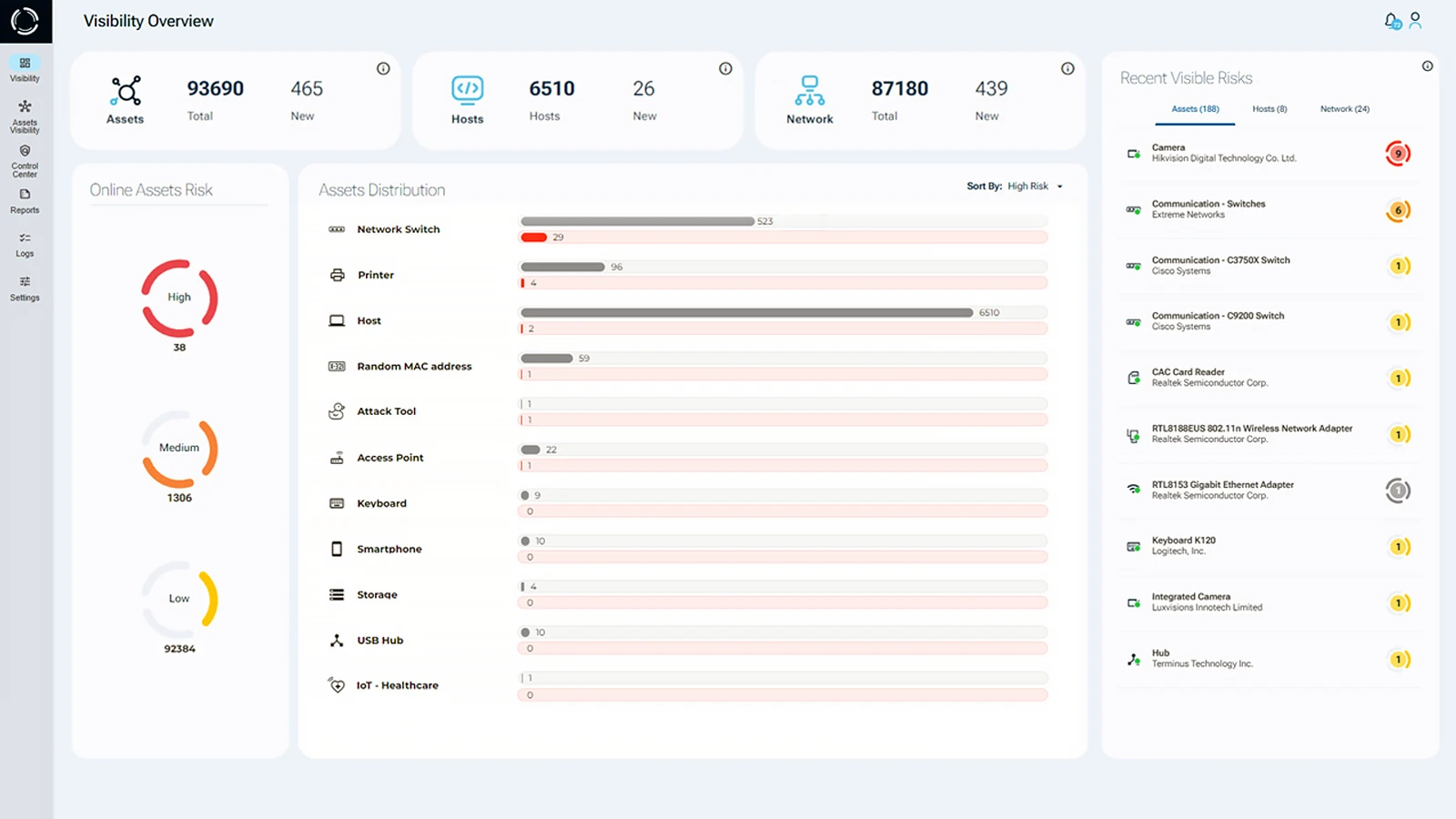
By providing continuous hardware visibility, asset identification, and supply chain assurance, the Sepio Platform helps organizations strengthen their compliance posture. Its ability to identify unauthorized devices, detect hardware tampering, and maintain a complete inventory of connected assets supports the asset management and system integrity requirements outlined in leading nuclear cybersecurity frameworks.
Benefits of Strengthening Nuclear Hardware Cyber Security
Implementing the Sepio Platform offers key benefits for the Nuclear OT environment and raises the standard of nuclear cybersecurity:
- Eliminates Hardware Blind Spots: Gains 100% visibility into all hardware assets, including those previously invisible to traditional security tools.
- Detects and Blocks Rogue Devices: Automatically detects and blocks rogue devices at the physical layer before they cause harm or spread across the network.
- Strengthens Supply Chain Security: Confirms hardware identity and integrity, helps meet NEI 08-09 and NRC RG 5.71 standards. As a result, it significantly reduces the risk of harmful components being embedded within devices.
- Supports Regulatory Compliance: Helps meet strict NRC cybersecurity requirements by making sure all hardware assets are properly managed, checked and protected.
- Extends Zero Trust to the Physical Layer: Delivers essential hardware level visibility and control to support a strong Zero Trust model. Every device accessing the network is explicitly checked and given the appropriate level of access.
Closing the Gap in Nuclear Hardware Cyber Security
As cyber threats continue to evolve, securing nuclear environments requires visibility beyond software and network traffic. Hardware-level security closes a critical gap in traditional defenses, enabling organizations to protect critical infrastructure, strengthen Zero Trust architectures, and meet increasingly stringent regulatory requirements.
The Sepio Platform delivers complete hardware asset visibility, rogue device detection, and Zero Trust enforcement at the physical layer, helping nuclear organizations secure their OT environments with confidence.
Ready to strengthen your nuclear cyber security posture? Schedule a demo to see how the Sepio Platform delivers complete hardware visibility, detects rogue devices, and protects nuclear OT environments from modern cyber threats.
Talk to an expertFrequently Asked Questions
Nuclear cyber security is the practice of protecting the digital systems, operational technology (OT), and connected hardware used in nuclear facilities from cyber threats, unauthorized access, and malicious manipulation. It combines cyber and physical security measures to help ensure the safe, secure, and reliable operation of critical nuclear infrastructure.
Nuclear facilities play a critical role in energy production, national security, and public safety. Effective nuclear cyber security helps protect sensitive systems from cyberattacks, insider threats, rogue devices, and supply chain risks that could disrupt operations or compromise system integrity.
Common nuclear cyber security challenges include advanced persistent threats (APTs), supply chain vulnerabilities, rogue devices, insider risks, legacy OT systems, and limited visibility into connected hardware assets. As IT, OT, and IoT environments continue to converge, maintaining visibility and control becomes increasingly important.
Rogue devices can bypass traditional security controls by masquerading as trusted hardware or operating outside the visibility of network-based security tools. These devices may provide unauthorized access, enable espionage, introduce malware, or disrupt critical operations within nuclear environments.
Hardware visibility enables organizations to identify every connected asset, including unmanaged, unauthorized, or compromised devices. By eliminating hardware blind spots, nuclear facilities can strengthen security controls, improve asset management, and reduce the risk of hardware-based attacks.
NRC Regulatory Guide 5.71 provides guidance for establishing and maintaining cyber security programs at nuclear facilities. The framework helps organizations protect critical digital assets associated with safety, security, emergency preparedness, and operational reliability.
Zero Trust strengthens nuclear cyber security by requiring continuous verification of every device attempting to access critical systems. Rather than trusting devices by default, Zero Trust validates identity and risk before granting access, helping prevent unauthorized hardware from entering sensitive environments.
Organizations can reduce nuclear supply chain cyber risks by maintaining accurate asset inventories, verifying hardware integrity, monitoring connected devices, and identifying unauthorized or prohibited components. Continuous hardware visibility helps ensure that only trusted assets are present within critical nuclear environments.