Why Employees Are a Key Factor in Cybersecurity
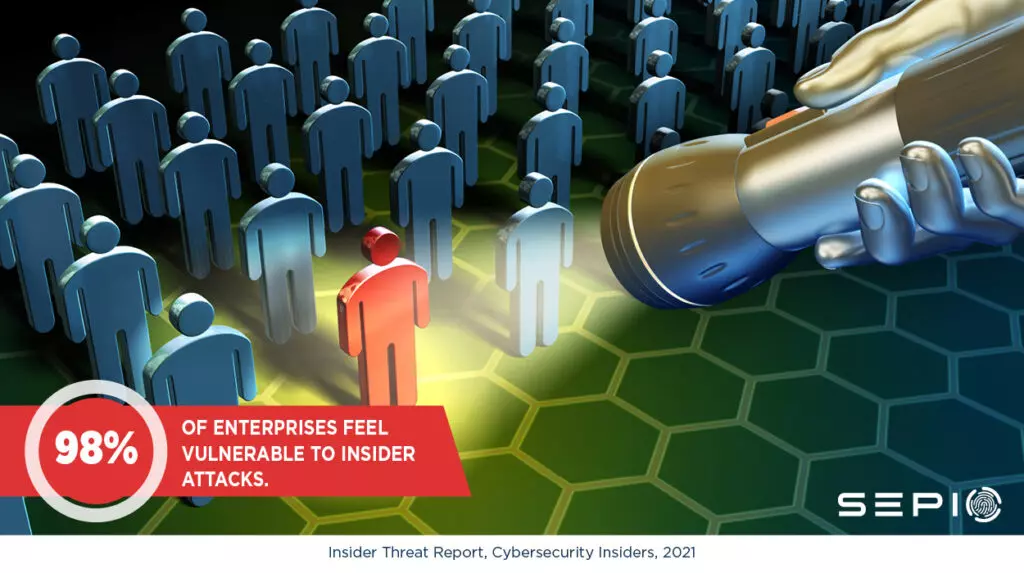
Employees play a critical role in an organization’s cybersecurity posture. While they can serve as the first line of defense against cyber threats, they can also become a source of risk when attackers exploit human behavior, compromised credentials, or unauthorized devices. As a result, employee cybersecurity risks remain one of the most significant challenges facing organizations today.
Cybercriminals frequently target employees because they have access to sensitive data, business applications, and corporate systems. Phishing attacks, social engineering, compromised laptops, unmanaged devices, and insider threats can all create opportunities for attackers to gain access and move laterally within an environment. Some incidents result from mistakes or a lack of awareness, while others involve deliberate misuse by employees, contractors, or third parties.
Reducing employee cyber risk requires more than security awareness training alone. Organizations must combine education, policies, and technical controls with visibility into the devices connecting to their environment. By understanding common employee cybersecurity threats and implementing a Zero Trust approach that extends to hardware access, organizations can significantly reduce their exposure to cyber attacks.
Unintentional Employee Cybersecurity Threats
Many cybersecurity incidents happen because of human error or lack of awareness. Common unintentional threats include:
- Negligence with hardware: Mishandling devices, leaving laptops unattended, or failing to secure storage drives can lead to data breaches.
- Malware from rogue devices: Hackers distribute infected USB drives, NinjaCables, or other devices that execute attacks when connected to company systems.
- Public charging station risks: USB chargers at airports, hotels, or public spaces can secretly access your device and company data (a technique called juice-jacking).
According to the Ponemon Institute, over 50% of security breaches stem from employee negligence.
Example: An employee charges their company laptop at an airport kiosk. The charger secretly copies sensitive documents to a hidden server. Without proper awareness, the employee unknowingly exposes confidential information.
Tip: Employees should avoid connecting work devices to unknown chargers or USBs and always follow device-handling protocols.
Intentional Employee Cybersecurity Threats
While less common, intentional insider threats are often severe. These attacks include:
- Financially motivated attacks: Disgruntled employees may steal data or install malware to profit from the breach.
- Coerced actions: Attackers can manipulate employees through phishing, blackmail, or social engineering.
- Rogue devices: Unauthorized USBs or hardware can introduce ransomware or give hackers access to sensitive systems.
Statistic: Intentional insider attacks account for 26% of insider incidents.
Example: A departing employee copies sensitive client data onto a personal USB drive, intending to sell it to a competitor. Organizations without proper device-monitoring controls may not detect this breach until it’s too late.
Solution: Strong incident response procedures, strict authentication policies, and hardware monitoring are crucial in preventing intentional threats.
Third Parties Cybersecurity Threats
Third-party insiders, such as contractors, pose unique cybersecurity challenges. These individuals may have access to sensitive information but lack the oversight of full-time employees. This opens avenues for hackers to exploit security vulnerabilities through cybercrime tactics like the “evil maid” or “evil patient” attacks.
Employing comprehensive security policies and security training programs for third-party insiders is essential. Organizations should implement strict passwords policies and utilize advanced encryption methods to protect against unauthorized access.
Employees’ Role in Cybersecurity: A Key Defense
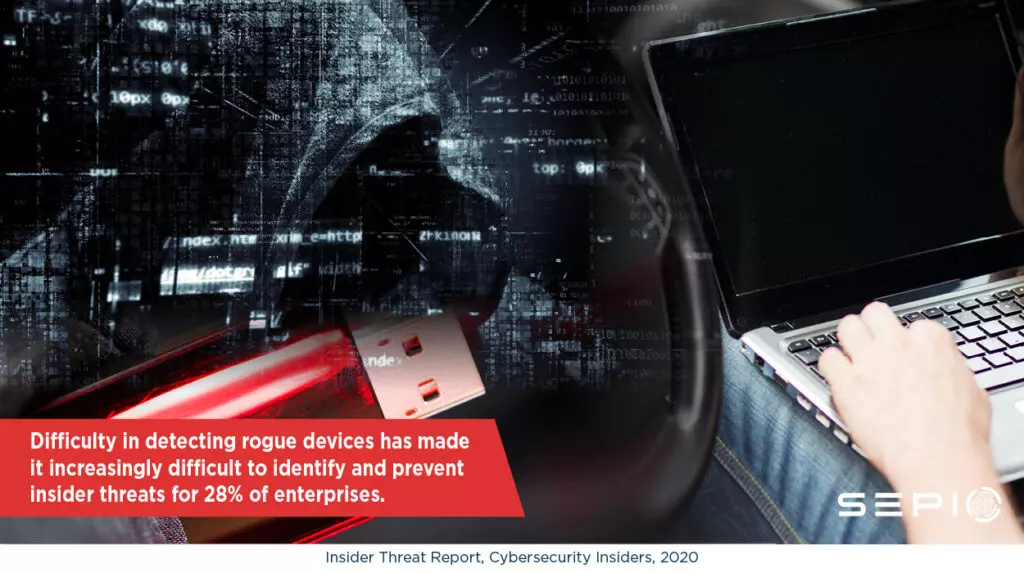
Throughout this discussion, we’ve highlighted how employees’ roles in cybersecurity are pivotal in defending against internal and external threats. Why do attackers often target employees? Because rogue devices can operate covertly and bypass traditional security measures, raising few alarms and allowing for deep infiltration. According to the Insider Threat Report, 28% of enterprises find it increasingly difficult to detect rogue devices, making insider attacks harder to identify and prevent.
Overcoming Detection Challenges in Employees’ Cybersecurity
The increasing sophistication of spoofed devices, such as juice-jacking chargers, poses a significant threat to employees’ cybersecurity. These rogue devices can easily bypass traditional firewall defenses and perimeter security measures, exploiting vulnerabilities in the physical layer. Detection becomes particularly challenging because conventional tools like NAC (Network Access Control), EPS (Endpoint Protection Systems), IDS (Intrusion Detection Systems), and IoT network security solutions are not designed to detect hardware-level intrusions.
To counter these threats, organizations need advanced solutions that provide deep visibility into hardware assets. By addressing these detection gaps, enterprises can effectively safeguard against unauthorized devices and reduce cybersecurity risks.
Securing Organizations with Sepio’s Platform
Sepio’s platform mitigates these security risks by offering deep physical-layer visibility. This helps organizations detect unauthorized hardware and prevent data breaches. Sepio’s Zero Trust Hardware Access approach ensures no device is overlooked. By identifying and blocking rogue devices, Sepio helps safeguard against employee cybersecurity threats and potential security breaches.
Sepio’s solution is deployed without additional hardware and provides complete visibility within 24 hours. This comprehensive detection helps protect against malware, hacking, and other forms of cybercrime.
Enhancing Security Awareness and Risk Management
Employees are pivotal to an organization’s security and cybersecurity strategy. By understanding their role, adhering to security policies, and participating in security training, employees can protect against security vulnerabilities and potential cyber-attacks.
Sepio’s patented technology enhances data-security, supports incident response, and prevents denial-of-service attacks caused by rogue hardware. To improve your application security and mitigate security risks, trust Sepio to deliver comprehensive device visibility and protection.
Schedule a demo to see how Sepio can protect your organization from employee cybersecurity threats and ensure complete hardware security.