Why Layer One Visibility is Critical for Cybersecurity?
Effective cybersecurity visibility begins at the foundation, the Physical Layer (Layer 1) of the OSI model. Known as the first layer of network security, this layer provides the most fundamental data about every connected endpoint on a network. By analyzing signals at Layer 1, organizations gain access to unalterable physical attributes of connected hardware, such as interface behavior, electrical characteristics, and port-level information.
This hardware-based data cannot be spoofed or manipulated by software. It is essential for verifying the true identity of each networked element. Layer 1 visibility allows security teams to see what is truly connected. Whether a device is authorized or rogue, it reveals far more than what the device claims to be.
Network Visibility for Cybersecurity
Asset visibility at the physical layer helps organizations understand not only the flow of data, but also the infrastructure elements behind that traffic. This deeper level of cybersecurity visibility provides validation and control that higher-layer solutions may not deliver on their own.
By using Layer 1 visibility, organizations can improve asset inventory accuracy, enforce security policies more effectively, and strengthen network security from the first layer of defense.
Traffic Visibility Solutions
Traffic-based visibility solutions, such as NAC systems, IDS, and IoT network security platforms, monitor traffic patterns to detect threats and enforce policies. However, these tools lack true Layer 1 visibility: the ability to see and verify a device’s physical hardware characteristics. This blind spot allows unmanaged switches, passive taps, and out-of-band connections to stay hidden. Spoofing can also make rogue elements appear legitimate, evading detection.
Layer 1 visibility provides a panacea to such security challenges by identifying all devices for what they truly are through their Physical Layer information. Asset management efforts are ineffective if you don’t have full asset visibility. It’s imperative to asset management to know which assets you actually have.
Hardware Attack Tools
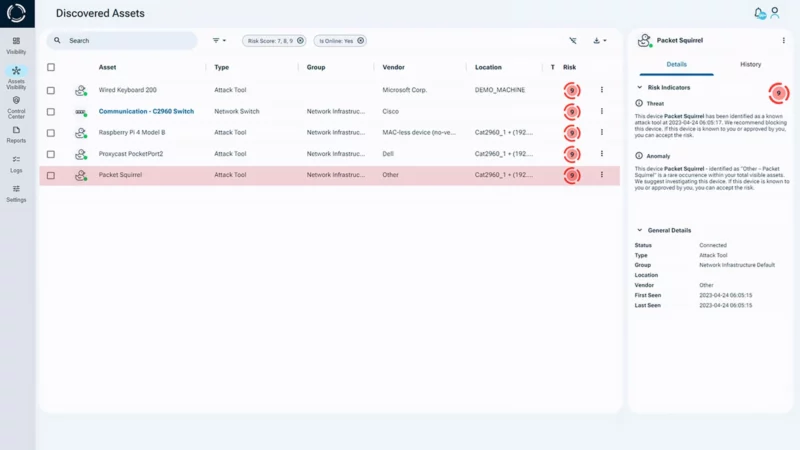
Cybercrime groups and state-sponsored actors can exploit the Layer 1 visibility gap by using hardware attack tools that operate at the physical level. These tools may be used to support covert activity such as unauthorized access, data theft, malware injection, or disruption of network services.
Hardware attack tools, including rogue devices and spoofed equipment, can evade detection when organizations rely only on higher-layer traffic analysis. Without Layer 1 security, security teams may not be able to verify what is physically operating within their infrastructure.
For example, a device that appears legitimate at the network level may actually be a Raspberry Pi or another unauthorized device spoofing trusted hardware.
IoT Vulnerabilities
Internet of Things devices, such as IP cameras and printers, can introduce Layer 1 security risks when they rely on MAC Authentication Bypass (MAB). Because many of these devices are not 802.1X-compliant, organizations often create exceptions that allow them to connect to the network.
These exceptions can create security gaps if unmanaged or spoofed devices abuse trusted access paths. Attackers may attempt to impersonate legitimate IoT devices by spoofing a MAC address or connecting unauthorized hardware through weakly controlled physical access points.
Layer 1 visibility helps organizations identify these hidden risks by validating connected hardware beyond MAC address, traffic behavior, or claimed device identity.
Layer One Visibility Integration
Layer 1 visibility does not replace existing cybersecurity investments. Organizations still need solutions such as NAC, endpoint protection, SIEM, SOAR, and other security controls. However, these tools are more effective when they are supported by accurate hardware-level visibility.
By integrating Layer 1 data into the security ecosystem, organizations can improve asset validation, reduce blind spots, and strengthen their overall cybersecurity posture. This gives security teams a more complete view of what is connected to the network and where hardware-based risks may exist.
Layer One Visibility
Layer 1 visibility is not something out of a fairy tale. Sepio’s Asset Risk Management (ARM) solution operates at the hardware level, delivering true Layer 1 data. It goes deeper than any other solution to validate devices based on their physical identity, not just what they claim to be. With complete visibility, organizations can enforce access controls through Zero Trust Hardware Access.
See What Others Miss with Layer 1 Visibility
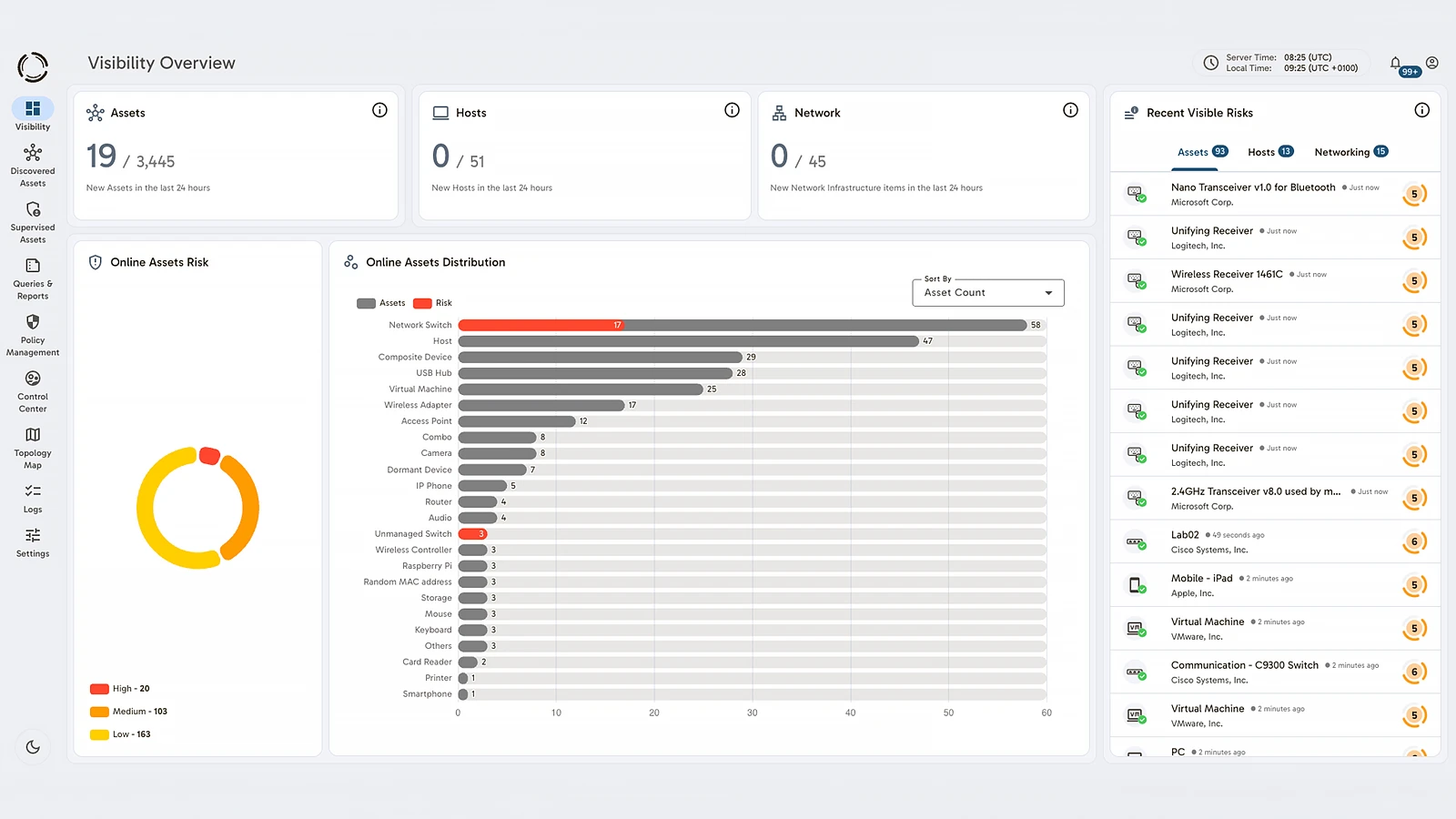
To manage cybersecurity risks effectively, organizations need visibility into all infrastructure elements, including devices that may be hidden, unmanaged, or difficult to validate through traditional tools. Layer 1 visibility helps security teams identify connected hardware, assess asset risk, and reduce exposure to hardware-based threats.
Sepio uses Physical Layer data to provide a hardware-focused approach to asset visibility and risk management. This helps organizations improve control over connected assets, streamline hardware visibility, and strengthen cybersecurity from the first layer of defense.
Ready to see how Layer 1 visibility can support your security strategy? Schedule a demo.
Frequently Asked Questions
Layer 1 in cyber crime refers to threats that target the Physical Layer of the OSI Model. These threats may involve rogue devices, spoofed peripherals, passive taps, unmanaged switches, or other hardware-based tools used to gain unauthorized access or evade detection.
Layer 1 security is important because every network connection begins at the physical level. Without visibility into connected hardware, organizations may fail to detect unauthorized devices, hidden infrastructure, or spoofed assets operating inside the network.
Layer 1 visibility helps security teams validate devices using physical hardware characteristics rather than relying only on traffic behavior or claimed identity. This improves detection of rogue devices, spoofed hardware, and other physical-layer threats.