Organizations invest in cybersecurity technologies designed to protect networks, endpoints, users, and cloud environments. Yet many continue to overlook a critical security gap: unmanaged hardware.
From rogue USB devices and unauthorized peripherals to forgotten IoT assets and shadow IT equipment, unmanaged hardware creates security blind spots that increase cybersecurity risk. These unknown or untrusted connected devices expand the attack surface, evade traditional security controls, and create operational, compliance, and security challenges.
In this video, cybersecurity expert Joseph Steinberg discusses why unmanaged hardware remains one of the most overlooked cybersecurity risks and explains why organizations should improve asset visibility and strengthen their hardware security posture.
Why Unmanaged Hardware Is a Growing Cybersecurity Risk
Unmanaged hardware is a cybersecurity risk because it can be connected to an organization’s network without authorization. When organizations cannot identify every connected asset, they may unknowingly allow malicious or rogue devices and unauthorized third-party hardware into their environments.
These devices can bypass security monitoring, vulnerability management, and security policies, creating opportunities for attackers. In some cases, these risks originate in the technology supply chain, where unauthorized or tampered hardware may be introduced before devices are deployed within the organization.
The risk continues to grow as organizations adopt hybrid work models, cloud services, IoT technologies, and third-party integrations. Each new connected device expands the organization’s attack surface, increasing the likelihood that unauthorized or unmanaged hardware will evade detection.
As Joseph Steinberg notes, organizations often focus on securing software while overlooking the physical devices operating within their environments.
Common Types of Unmanaged Hardware
Unmanaged hardware can exist across enterprise IT, OT, and IoT environments. These devices may be introduced without formal approval, proper documentation, or security review, creating gaps in asset management, compliance, and cybersecurity monitoring. Many unmanaged assets are associated with shadow IT, but they can also result from third-party integrations, temporary projects, forgotten equipment, or unauthorized network connections.
Common examples include:
- USB-Based Devices: USB Rubber Duckies, malicious flash drives, and unauthorized peripherals can introduce malware or create covert access channels.
- IoT Devices: Smart TVs, smart speakers, printers, cameras, and other connected devices often join corporate networks without adequate security controls.
- Rogue Network Devices: Unauthorized switches, hubs, adapters, routers, and wireless access points can bypass existing security measures.
- Dormant Hardware: Unused or forgotten equipment may remain connected for years without receiving updates, patches, or monitoring, creating hidden attack surfaces.
- Remote Access and KVM Devices: Out-of-band management devices can provide unauthorized pathways into critical systems if not properly managed.
- Development and Testing Hardware: Development boards, diagnostic tools, and temporary equipment may remain connected after projects are completed, creating unmanaged hardware risks.
How to Identify and Reduce Unmanaged Hardware Risks
To reduce unmanaged hardware risk, organizations must be able to discover, identify, and monitor all connected devices across IT, OT, and IoT environments. Without accurate asset inventories and continuous device discovery, rogue devices and unauthorized hardware can remain hidden for extended periods, increasing cybersecurity risk.
Organizations should also verify the identity of connected devices rather than relying solely on software-reported information. Attackers can spoof identifiers such as MAC addresses, hostnames, and credentials, allowing unauthorized hardware to appear legitimate and evade traditional security controls. To address this challenge, organizations should validate device identity using independent hardware attributes and physical-layer intelligence rather than relying solely on information reported by the device itself.
Key steps to reduce unmanaged hardware risks include:
- Continuously discover connected devices
- Improve visibility across IT, OT, and IoT environments
- Maintain a complete and accurate asset inventory
- Verify device identity rather than relying on self-reported information
- Detect rogue and hidden devices
- Monitor third-party hardware risks
- Regularly review dormant and inactive assets
- Restrict unauthorized peripheral connections
- Implement Zero Trust security controls
- Strengthen hardware asset management processes
By improving visibility and control over connected devices, organizations can reduce cyber risk and limit opportunities for attackers to exploit unmanaged hardware.
Why Asset Visibility Is Critical for Zero Trust
Asset visibility is fundamental to Zero Trust because organizations cannot secure what they cannot see. Effective Zero Trust implementation requires complete visibility into connected devices across the environment. Accurate asset visibility enables security teams to discover, identify, verify, and continuously monitor hardware across IT, OT, and IoT environments.
When organizations lack complete asset visibility, rogue, unmanaged, or unauthorized hardware can evade security controls, creating gaps between Zero Trust principles and operational reality. Even with strong protections for users, applications, and networks, these unknown devices can introduce cybersecurity, operational, and compliance risks.
As Joseph Steinberg emphasizes, hardware asset visibility remains one of the most overlooked aspects of implementing an effective Zero Trust strategy.
Sepio’s Approach to Hardware-Based Security
Sepio’s Zero Trust Hardware Access (ZTHA) helps organizations discover, identify, and assess unmanaged hardware across enterprise environments. By delivering physical layer visibility and device trust, the platform enables security teams to uncover rogue devices, hidden assets, unauthorized peripherals, and unknown connected devices that are often missed by traditional security tools.
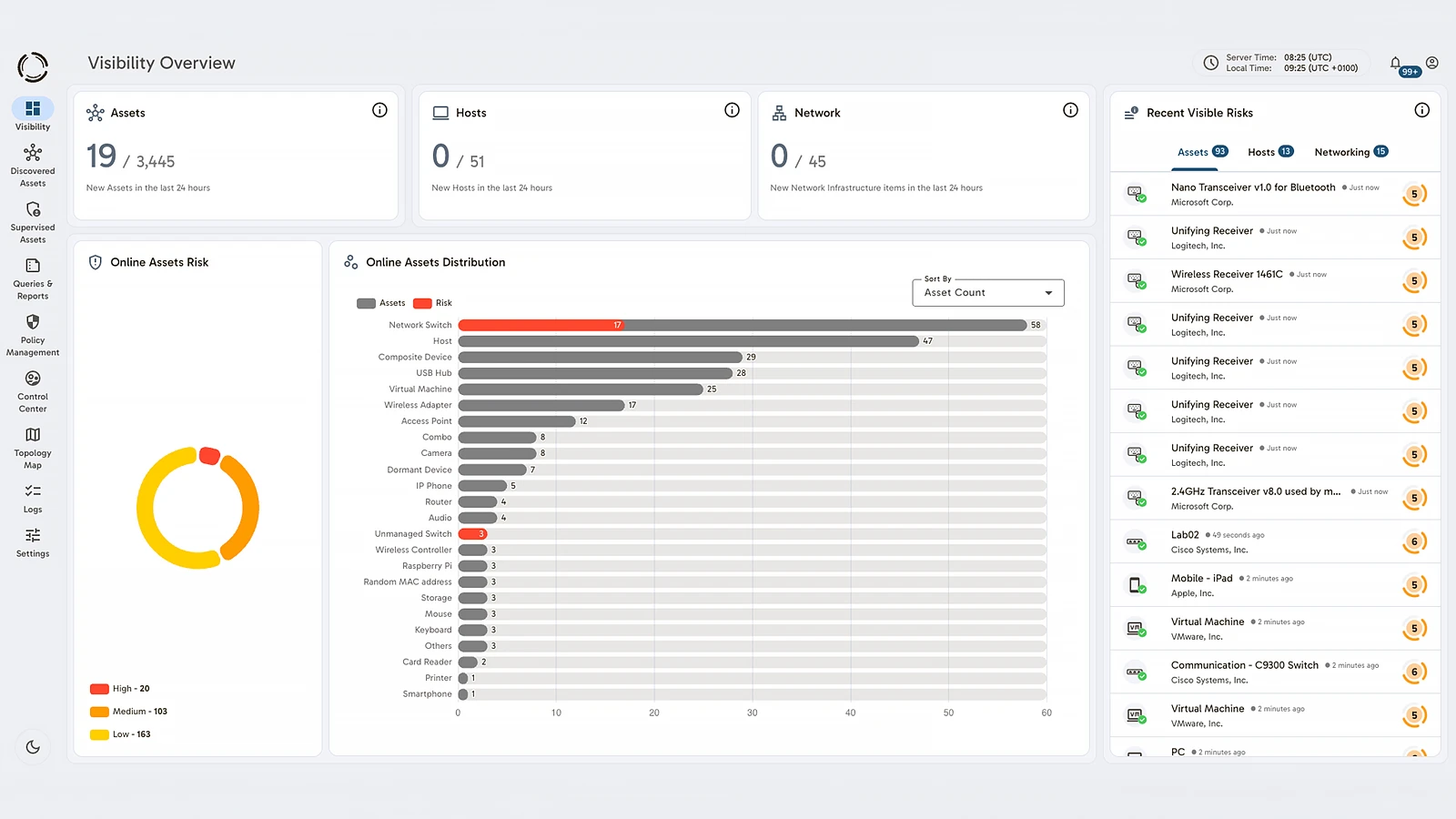
Through continuous asset discovery, identification, classification, and policy enforcement, organizations can strengthen their Zero Trust initiatives, reduce their attack surface, improve asset governance, and enhance overall cyber resilience.
The Sepio platform enables organizations to:
- Discover: Every connected asset across network, endpoint, peripheral, IT, OT, and IoT environments.
- Verify: The true identity of each device using Sepio’s patented AssetDNA™ technology and physical-layer intelligence.
- Validate: Whether each asset matches its expected role, location, ownership, behavior, and policy.
- Score: Hardware risk based on identity, security posture, vulnerability, and business context.
- Enforce: Trust decisions through alerts, access restrictions, isolation, blocking, and third-party orchestration.
By establishing trust at the physical device layer, organizations can strengthen the effectiveness of broader cybersecurity and Zero Trust programs.
Take Control of Unmanaged Hardware Risks
Talk to an expert and discover how Zero Trust Hardware Access can help you identify unmanaged hardware and reduce hardware security risks.
Talk to an expert