Why Connected Medical Device Security Matters
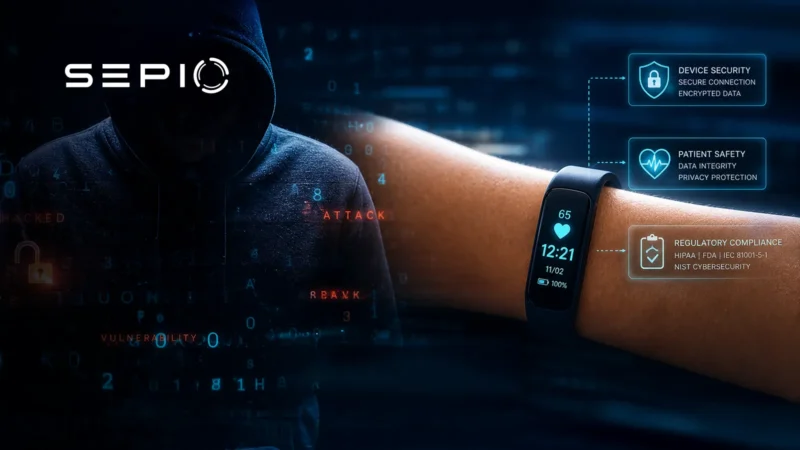
Connected medical devices are transforming modern healthcare by enabling real-time monitoring, diagnosis, treatment, and remote patient care. As part of the Internet of Medical Things (IoMT), these connected health devices continuously collect, transmit, and process sensitive patient data across healthcare networks. While they improve clinical outcomes and operational efficiency, they also expand the attack surface and introduce new cybersecurity challenges.
From patient monitoring systems and infusion pumps to imaging equipment, wearable devices, and remote monitoring solutions, connected medical devices are becoming essential to modern healthcare delivery. As adoption continues to accelerate, healthcare organizations must address the growing risks associated with medical device security, including unauthorized access, data breaches, ransomware, and unmanaged devices connected to the network.
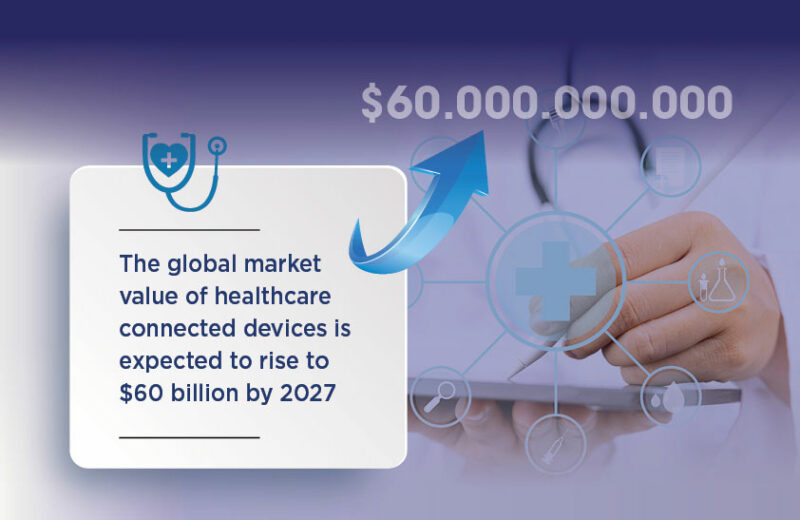
With the global connected medical device market projected to reach $60 billion by 2027, protecting connected medical devices is now a critical cybersecurity priority. Healthcare providers need greater visibility into every connected asset, stronger risk management practices, and secure access controls to safeguard patient data, maintain operational continuity, and support regulatory compliance.
Effective connected medical device security requires organizations to continuously identify, assess, and monitor the devices operating across their environments. By combining visibility, medical device cybersecurity best practices, and proactive risk management, healthcare organizations can reduce cyber risk while helping ensure patient safety and trust in connected care.
Connected Medical Device Security Risks
Protecting Patient Data from Cyber Threats
Connected medical devices and connected health devices continuously collect, process, and transmit sensitive patient information across healthcare networks. While this connectivity improves patient care and operational efficiency, it also increases exposure to cyber threats. Without effective medical device security measures, attackers may exploit vulnerabilities to gain unauthorized access to protected health information.
Unauthorized access to medical databases can harm both patients and healthcare organizations. These databases hold sensitive personal, insurance, and financial data. A data breach violates patient privacy and can result in regulatory penalties, lawsuits, and significant financial losses for healthcare providers. Protecting patient data is critical to avoiding these risks.
Healthcare Organizations also need to comply with General Data Protection Regulation (GDPR) and Health Insurance Portability and Accountability Act (HIPAA). To ensure protection of patient’s data and privacy.
When Medical Devices Are Compromised
Cyberattacks pose a serious risk to connected medical devices. Hackers can break into personal medical equipment and cause harm beyond stealing patient data. They can control devices by changing settings or turning them on and off. This can be life-threatening for patients who rely on these devices for daily health care. Protecting IoMT security is vital to keep patients safe.
Disruptions to Patient Care from Cyberattacks
Malware attacks remain one of the most prevalent threats to connected medical devices. Cybercriminals use malicious software to gain control of critical systems and data, often encrypting files and demanding a ransom for their release. During the pandemic, several healthcare organizations were targeted, with attackers blocking access to vital, life-saving information until payment was made. These incidents highlight how cyberattacks can directly disrupt patient care and put lives at risk. Prioritizing the security of connected medical devices ensures that patient safety remains at the forefront, even as cyber threats continue to evolve.
Damage to Reputation and Credibility
Cyberattacks can seriously damage the reputation and credibility of healthcare providers. After a data breach, patients and stakeholders may lose confidence in the organization’s ability to protect sensitive information. Trust is essential in healthcare, and once lost, it is difficult and costly to rebuild. Securing connected medical devices not only protects patient data but also preserves institutional trust and integrity.
How to Secure Connected Medical Devices
Connected medical devices improve patient care, operational efficiency, and remote monitoring capabilities, but they also introduce cybersecurity risks that healthcare organizations must address. To strengthen connected medical device security and reduce cyber risk, organizations should implement a combination of technical controls, security processes, and continuous device visibility.
Orchestrated Firmware Updates
Regular firmware updates are essential for maintaining medical device security and addressing newly discovered vulnerabilities. However, updates must be carefully managed to ensure they are applied securely and reliably. Only authorized and verified entities should be permitted to initiate and deploy firmware updates, reducing the risk of tampering, malware installation, or unauthorized modifications.
Healthcare organizations should also establish contingency plans in case an update fails. These plans may include retrying the update process, restoring a known-good version, or replacing the affected device when necessary.
Additionally, patients should be provided with clear and simple instructions for setting up their devices on home networks. Proper configuration is essential to establishing a secure, encrypted connection between the medical device and the broader Internet of Medical Things (IoMT) ecosystem, thereby safeguarding sensitive data and ensuring uninterrupted device functionality.
Secure Medical Device Software
Healthcare organizations often rely on proprietary applications and platforms to manage connected health devices. Security should be integrated throughout the software development lifecycle, from design and coding to testing, deployment, and maintenance.
Implementing secure development practices helps reduce vulnerabilities that could be exploited by attackers. Regular security assessments, vulnerability testing, and timely patching further strengthen medical device cybersecurity and support compliance requirements.
In addition, medical staff and administrators should receive regular cybersecurity training to identify vulnerabilities and proactively mitigate threats before exploitation occurs.
Enhancing Connected Medical Devices Security
Healthcare environments often contain thousands of connected health devices, and other healthcare assets operating across clinical and administrative networks. Maintaining an accurate inventory can be challenging, especially when organizations rely on manual reporting, traditional discovery methods, or user-generated information. As a result, vulnerable, unmanaged, or unauthorized devices may remain undetected, increasing cybersecurity risk.
For effective connected medical device security, healthcare organizations need continuous visibility into every device connected to the network. Without this visibility, security teams may struggle to identify rogue devices, assess risk levels, detect unauthorized connections, and respond to emerging threats before they impact patient care.
A proactive approach is to implement physical layer visibility and device fingerprinting. By identifying devices based on their unique hardware characteristics rather than relying solely on declared identities, healthcare organizations can strengthen medical device cybersecurity and gain real-time insight into connected medical devices across their environment. This enables security teams to discover unknown assets, verify device identities, and prioritize risks before they become security incidents.

Asset Risk Management for Connected Medical Devices
Healthcare organizations need more than a device inventory. They need the ability to continuously discover, verify, and assess every connected medical device operating across their network.
With Sepio’s Asset Risk Management (ARM), organizations gain physical layer visibility through device fingerprinting, allowing them to identify known, unknown, managed, unmanaged, and unauthorized assets. Each device receives a unique digital fingerprint that helps security teams verify its identity and evaluate its risk profile.
By continuously monitoring connected medical devices and connected health devices, Sepio helps organizations identify newly introduced risks, detect unauthorized hardware, and strengthen their overall healthcare device security posture.
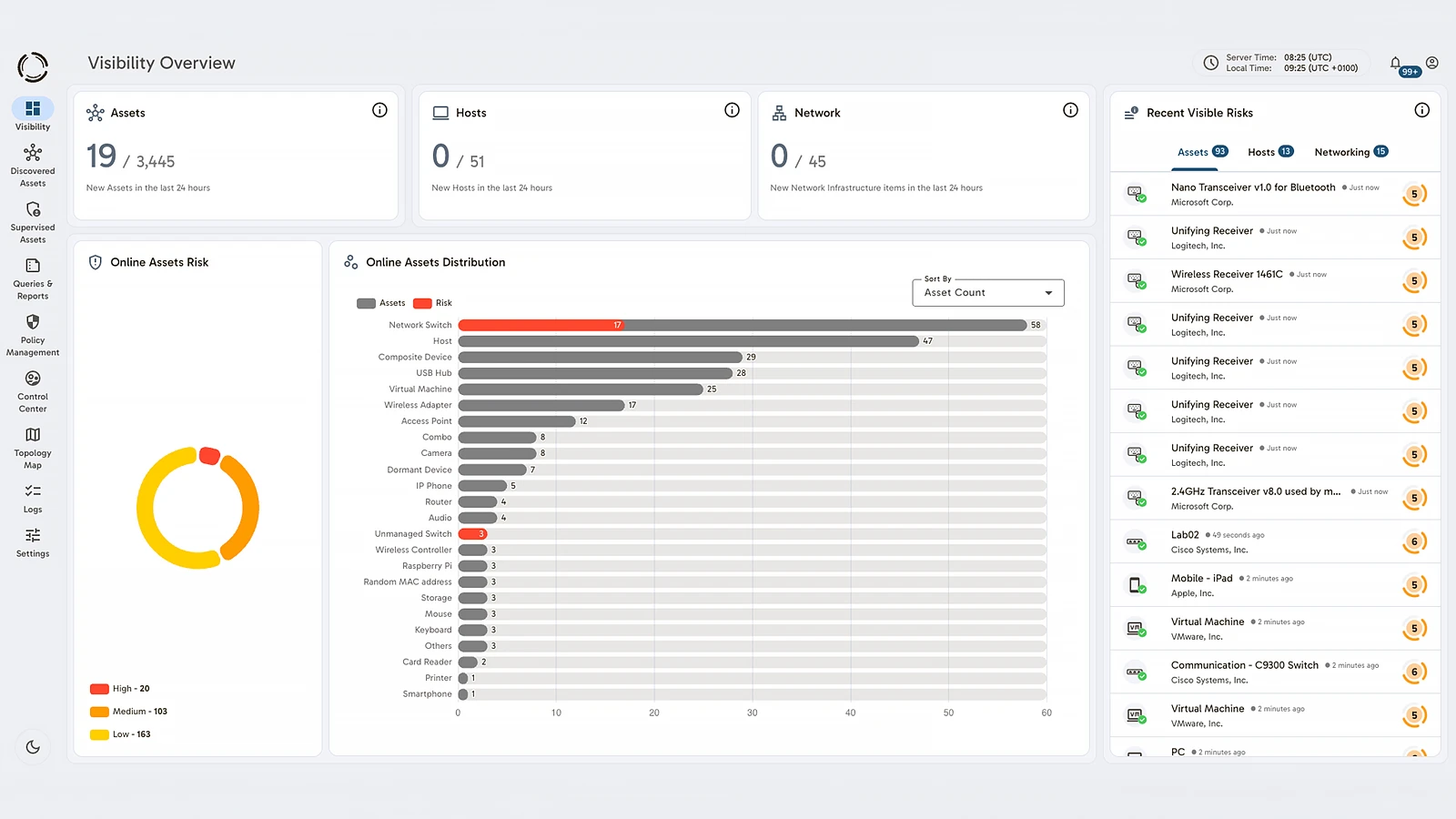
Sepio provides healthcare organizations with actionable visibility into connected medical devices across clinical and operational environments. Security teams can automatically discover assets, assess risk levels, and improve medical device cybersecurity without disrupting patient care or clinical workflows.
Secure Every Connected Medical Device
See Every Asset, Prioritize Risks, and Strengthen Security
Effective connected medical device security starts with knowing exactly what is connected to your environment.
Sepio helps healthcare organizations gain comprehensive visibility into every known, unknown, and shadow asset across their networks. By identifying device risks, validating hardware identities, and prioritizing remediation efforts, organizations can take a more proactive approach to protecting connected medical devices, connected health devices, and IoMT environments.
Whether your goal is to improve medical device security, strengthen cybersecurity resilience, support compliance initiatives, or reduce operational risk, Sepio provides the visibility needed to build trust in every connected asset.
Talk to an expert to learn how Zero Trust Hardware Access and physical layer visibility can help secure connected medical devices across your healthcare environment.
Talk to an expertFrequently Asked Questions
Connected health devices are healthcare devices that collect, transmit, or receive data through wired, wireless, cloud, or internet connections. Examples include patient monitoring systems, infusion pumps, imaging equipment, wearable health devices, and remote patient monitoring solutions. These devices help improve patient care, operational efficiency, and real-time access to health information.
Medical device security is essential because many devices process sensitive patient data and play a critical role in patient care. A security incident can lead to data breaches, operational disruptions, compliance violations, and risks to patient safety. Strong security controls help healthcare organizations protect both their systems and their patients.
Common risks include unauthorized access, ransomware attacks, malware infections, vulnerable software, outdated firmware, and unmanaged devices connected to healthcare networks. These threats can compromise patient data, disrupt clinical operations, and create opportunities for attackers to access sensitive healthcare systems.
Connected medical devices are typically used for diagnosis, treatment, monitoring, or managing medical conditions. Connected health devices is a broader term that may also include consumer wellness devices, wearable technologies, and remote health monitoring solutions. Both categories are part of the growing connected healthcare ecosystem.
Medical device cybersecurity refers to the processes, technologies, and controls used to protect medical devices from cyber threats. This includes securing software, firmware, communications, user access, and device connectivity while ensuring patient safety and regulatory compliance.
Healthcare organizations can improve medical device security by maintaining an accurate device inventory, applying firmware updates, securing device communications, monitoring network activity, training staff, and implementing continuous visibility across connected assets. Adopting a Zero Trust approach further strengthens security by continuously verifying device trustworthiness.
The Internet of Medical Things (IoMT) is the network of connected medical devices, healthcare systems, applications, and services that collect and exchange health-related data. IoMT technologies enable remote monitoring, real-time diagnostics, and improved patient outcomes, but they also introduce new cybersecurity challenges.
Healthcare organizations cannot secure devices they cannot see. Comprehensive visibility helps security teams identify connected medical devices, discover unknown or unauthorized assets, assess risks, and respond to potential threats more effectively. Improved visibility supports stronger healthcare device security and better risk management.
Zero Trust Hardware Access extends Zero Trust principles to the hardware layer by continuously verifying device identity rather than simply trusting declared information. This approach helps healthcare organizations identify rogue, unmanaged, or compromised devices and reduce the risk posed by unauthorized hardware connections.
Connected medical devices support better patient outcomes through real-time monitoring, faster diagnosis, improved treatment coordination, and remote patient care. When combined with strong medical device cybersecurity practices, healthcare organizations can benefit from greater efficiency while maintaining patient safety and data protection.