A man-in-the-middle attack (MITM), often referred to as “Monster in the Middle,” is a type of cyber attack where a malicious actor intercepts communication between two parties. This type of attack allows the hacker to secretly monitor, tamper with, or inject malicious data into the communication, compromising the integrity and confidentiality of the exchange. By positioning themselves within the network pathway, the attacker can eavesdrop on messages, alter content, or introduce fraudulent data without being detected.
Man-in-the-middle attacks (MITM) can be used for various malicious purposes. Including stealing sensitive information like login credentials or financial data, injecting malware into the communication stream, or impersonating one of the parties to gain unauthorized access to systems or services.
Man in the Middle Attack Scenario
Imagine you’re texting a friend to arrange a meetup. She suggests meeting at 2:00 PM at your local coffee shop. You arrive on time, but she’s nowhere to be found. Meanwhile, your friend is waiting at your favorite Italian restaurant, wondering why you did not show up. What happened?
Without either of you knowing, someone intercepted your messages, read them, and changed the meeting details before delivering them. Both you and your friend received altered information and acted on it, believing the messages were genuine.
This simple example demonstrates how a man-in-the-middle (MITM) attack works. A malicious actor secretly intercepts and modifies communications between two parties, often without being detected.

While the scenario above might seem harmless, a Man in the Middle attack is far more dangerous in real-world applications. Hackers aren’t typically interested in disrupting casual meetups between friends. Instead, they use this technique to target organizations, businesses, or specific individuals to steal sensitive information, manipulate data, or gain unauthorized access to systems.
How an Man-in-the-Middle Attack Typically Works
In a MiTM attack, the attacker secretly positions themselves between two communicating parties, such as a user and a website or two endpoints on a network. By doing so, they can intercept, monitor, and even manipulate the communication without either party realizing it. Here’s a breakdown of how this type of attack typically unfolds:
- Interception: The attacker first intercepts the communication between the two parties, making them believe they are communicating directly with each other. This can be achieved through various methods, such as exploiting vulnerabilities in network protocols or using spoofing techniques, or setting up rogue Wi-Fi hotspots.
- Eavesdropping: Once the attacker has positioned themselves in the middle, they can eavesdrop on the data being transmitted. This allows them to collect sensitive information, such as login credentials, credit card numbers, or other confidential details.
- Modification: The attacker can alter the data being transmitted. For example, they might modify a legitimate message, redirect a user to a malicious website, or inject malware into the communication.
- Impersonation: The attacker can impersonate one or both parties involved in the communication. This allows them to gain unauthorized access to systems or manipulate the communication for their benefit.
These techniques allow a threat actor to compromise confidentiality, integrity, and authenticity, the core pillars of secure communication.
Man in the Middle Attack Devices
While some MiTM attacks exploit software vulnerabilities or network weaknesses, others rely on physical hardware implants that intercept traffic at the device or port level. These hardware-based attacks tools are especially dangerous because they often operate below the visibility of traditional security tools.
Below are common categories of hardware attack tools used in real-world MiTM campaigns, explained for awareness and defensive preparedness.
Internal Implants in ATMs and Payment Systems
ATMs are prime targets for man-in-the-middle attacks due to the abundance of cash stored inside them. One way such an attack can be executed is through a black box attack. In this method, a MiTM attack tool, often a Raspberry Pi Zero W, is connected between the ATM’s PC and the dispenser. This setup allows the attacker to send cash-dispensing commands to the machine.
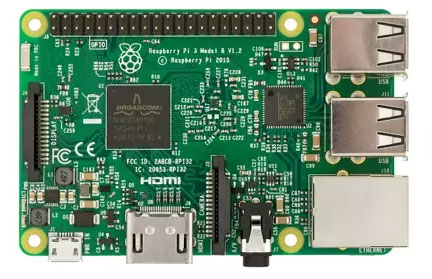
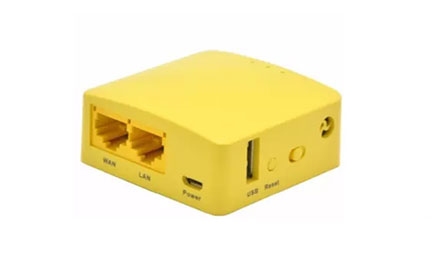
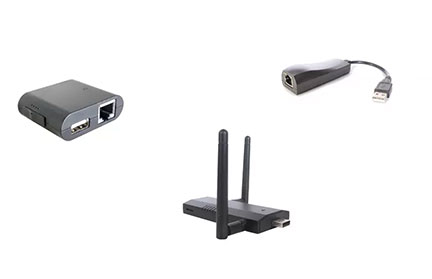
This type of MitM attack tool can be challenging to deploy because it requires internal access to the machine. However, a simpler method is available for just $25 on Amazon. There is no need to use the dark web for this. This man-in-the-middle attack tool, known as a GL.iNet, attaches externally to the ATM but produces the same end result.
ATMs may be a niche target, but you could be at risk too. Hackers don’t care about your lunch plans; they target access to the organization you work for. They could use you as a gateway, employing social engineering techniques to exploit your trust and gain entry.
Man in the Middle Attacks on Organizations and Individuals
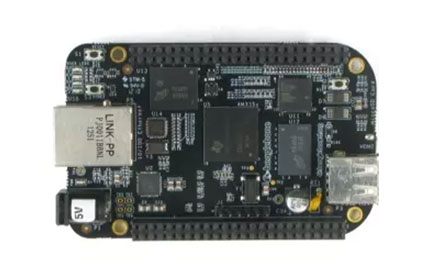
At this point, you might think you’re protected, especially since accessing your organization’s network assets and network likely requires authentication, perhaps even biometric authentication. However, another man-in-the-middle attack tool is capable of bypassing this as well. A device known as BeagleBone is able to circumvent even the most sophisticated forms of biometric authentication like palm-vein scanners.
Hak5 Attack Tools
There are plenty more devices that can be used for man-in-the-middle is a company that produces a lot of these hacking tools, such as Packet Squirrel and LAN Turtle, and others. These devices, although differing slightly in functionality, both observe network traffic. A more advanced tool, going by the name of Wifi Pineapple, is letting hackers mimic preferred networks and, in turn, gather intelligence.
Rogue Devices are Overcoming Existing Security Solutions
These man-in-the-middle (MITM) attack tools, or in other words, Rogue Devices, bypass existing security solutions, such as Network Access Control (NAC), Intrusion Detection Systems (IDS), and IoT network security, due to limited visibility at the physical layer. This lack of visibility can allow rogue hardware to remain undetected.
To mitigate the risks associated with man-in-the-middle (MITM) attack tools, organizations should take steps to prevent the use of unauthorized hardware devices. This is increasingly important as hardware-based attacks become more prevalent. USB-based attacks are also an increasingly significant security concern, as the widespread use of USB devices provides attackers with additional opportunities to exploit removable media and USB-connected devices.
MiTM Attacks Mitigation
Sepio’s patented technology is the cyber security solution for mitigating risks associated with MITM attacks. The threat of man-in-the-middle (MITM) Attacks is pervasive and evolving. By understanding the tactics employed by attackers and staying vigilant, you can take proactive steps to protect your network and sensitive data.
How Sepio’s Platform Works
Sepio calculates an individual risk score for each network asset by analyzing multiple risk indicators, each of which contributes a different level of risk to the overall score. These risk indicators can be categorized into the following groups, listed in order of increasing severity:
- Unsupervised assets: Assets that are not actively monitored on the network.
- Asset anomalies: Devices exhibiting unusual behavior, such as an AssetDNA™ mismatch or unexpected ports. Examples include physical-layer mismatches, rare or unexpected devices or components, and unexpected port speeds.
- Known vulnerabilities: Assets with known CVE vulnerabilities, including device, firmware, or component vulnerabilities.
- Known attack tools: Devices that match known hacking tools based on Sepio’s AssetDNA™ analysis, such as man-in-the-middle attack tools.
By leveraging these indicators, Sepio helps identify rogue devices on the network and detect potential man-in-the-middle attacks, helping organizations maintain the integrity and security of their networks.
Prevent a Man in the Middle Attack
Man-in-the-middle attack tools pose a serious cybersecurity threat, allowing attackers to intercept and alter communications. These attacks can steal sensitive data, weaken security, and enable unauthorized changes. To prevent them, organizations must understand attacker tactics and implement strong defenses.
Sepio’s platform offers a powerful defense against Man in the Middle attack by providing comprehensive visibility and security across network assets. By prioritizing hardware-based security, organizations can effectively safeguard their networks, ensuring they are resilient to evolving cyber threats.
See Every Asset. Secure Your Network
Schedule a demo today and discover how Sepio’s platform can help you mitigate risks from Man in the Middle attack tools. Let our experts show you how to regain control of your network and ensure resilient security against advanced threats.
Talk to an expertFrequently Asked Questions
A Man-in-the-Middle (MitM) attack is a cyberattack in which an attacker secretly intercepts communications between two parties. The attacker can eavesdrop on, modify, or steal data without either party realizing the connection has been compromised.
A Man-in-the-Middle attack works by placing an attacker between two communicating parties. The attacker intercepts network traffic, captures sensitive information, and may alter communications to deceive users or systems.
Common signs of a MitM attack include unexpected connection interruptions, suspicious certificate warnings, unauthorized account activity, slow network performance, and unusual login requests.
A MitM attack can expose usernames, passwords, financial information, session tokens, business communications, intellectual property, and other sensitive data transmitted across a network.
Eavesdropping involves passively listening to communications, while a Man-in-the-Middle attack allows an attacker to actively intercept, modify, and manipulate data exchanged between two parties.
Organizations can detect MitM attacks by identifying rogue devices, validating hardware identities, monitoring network activity, enforcing encryption, and continuously discovering unmanaged or unauthorized assets.
Organizations can reduce the risk of MitM attacks by using encrypted communications, implementing multi-factor authentication, validating connected devices, and continuously monitoring for unauthorized hardware.
Yes. Threat actors may use rogue hardware devices such as network taps, modified routers, malicious USB devices, or purpose-built attack tools to intercept communications and evade traditional security controls.
Sepio uses AssetDNA™ technology to identify and validate the true identity of connected hardware assets. This helps security teams detect rogue devices, hardware implants, and unauthorized equipment that could be used to perform Man-in-the-Middle attacks.