Cyberattacks do not always begin with phishing emails, stolen passwords, or vulnerable software. Sometimes, the threat can be sitting directly on a desk.
A USB device, peripheral, promotional giveaway, smart accessory, or even an everyday object containing electronic components can potentially introduce a hardware security threat into an organization.
This is why enterprises and government agencies need to think beyond traditional software security and consider the risks created by physical devices connected to, or operating within, their environments.
A Spy in a Tea Cup
Sepio CMO and co-founder Bentsi BenAtar joined i24 News to discuss an unusual security incident involving travel mugs gifted by the Chinese embassy to Israeli government offices.
During a routine security inspection, one of the travel mugs was found to contain a suspicious electronic component. Further examination ultimately determined that the components were harmless.
While this particular incident was not confirmed to be espionage, the story highlights an important cybersecurity principle: physical objects and electronic devices should not automatically be trusted simply because they appear harmless.
For organizations protecting government systems, critical infrastructure, financial information, intellectual property, or other sensitive assets, verifying the hardware entering the environment is an increasingly important part of cybersecurity.
The Trojan Horse Reimagined: Hardware-Based Attacks
The concept is surprisingly old.
The original Trojan Horse worked because something that appeared to be a gift was allowed inside a protected environment. Modern hardware-based attacks can follow the same principle.
Instead of soldiers hidden inside a wooden horse, attackers can potentially conceal malicious capabilities inside devices that appear legitimate. Examples can include:
- USB devices
- keyboards and mice
- network adapters
- docking stations
- chargers and cables
- IoT devices
- modified peripherals
- embedded electronic components
- unauthorized network equipment
Once connected to a trusted environment, a rogue or manipulated device may provide attackers with an opportunity to bypass controls that are primarily designed to detect software-based threats.
The challenge is particularly significant when a malicious device successfully presents itself as legitimate hardware.
Why Traditional Security Tools May Not Be Enough
Organizations invest heavily in endpoint detection, antivirus software, firewalls, identity protection, and network monitoring. These technologies play an essential role in cybersecurity, but hardware introduces another layer of risk.
A device can be physically present inside the organization while remaining difficult to identify through traditional security controls.
The important question therefore becomes:
Do you know what every device connected to your environment actually is?
Identifying a device only through its reported identifiers may not always provide sufficient assurance if the device has been modified, misconfigured, replaced, or designed to impersonate legitimate hardware.
That creates a visibility gap between what a device claims to be and what the organization can actually verify.
From USB Drives to Hidden Hardware Threats
USB-based attacks are one of the clearest examples of this problem.
An apparently ordinary USB peripheral can potentially behave differently from what a user expects. This is why organizations need security controls that extend beyond simply trusting the device type or information presented by the operating system.
Learn more about Sepio’s approach to preventing advanced USB attacks.
But USB is only part of the problem.
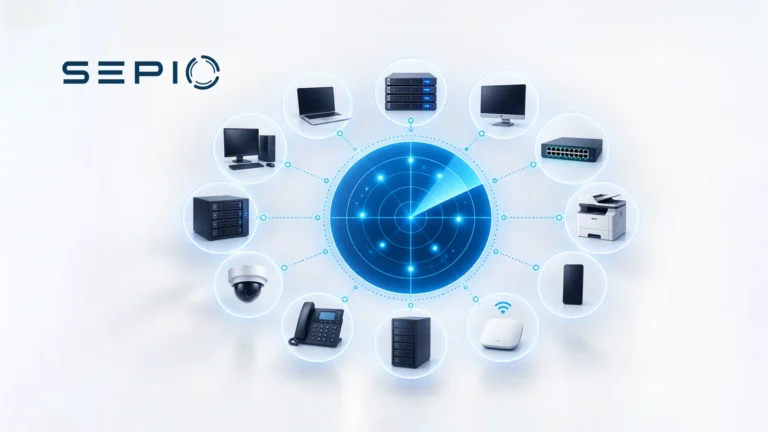
Modern enterprise environments contain thousands of connected IT, OT, IoT, and peripheral devices. As infrastructures become more complex, maintaining accurate visibility into these assets becomes increasingly difficult.
Sepio’s Defense Against Hidden Hardware Threats
Sepio provides unmatched visibility into all hardware assets, IT, OT, IoT, and peripherals, by analyzing data at the physical layer. Unlike traditional solutions that rely on behavioral analysis, Sepio’s patented technology identifies every device’s unique AssetDNA, even if it lacks identifiers or mimics legitimate behavior.
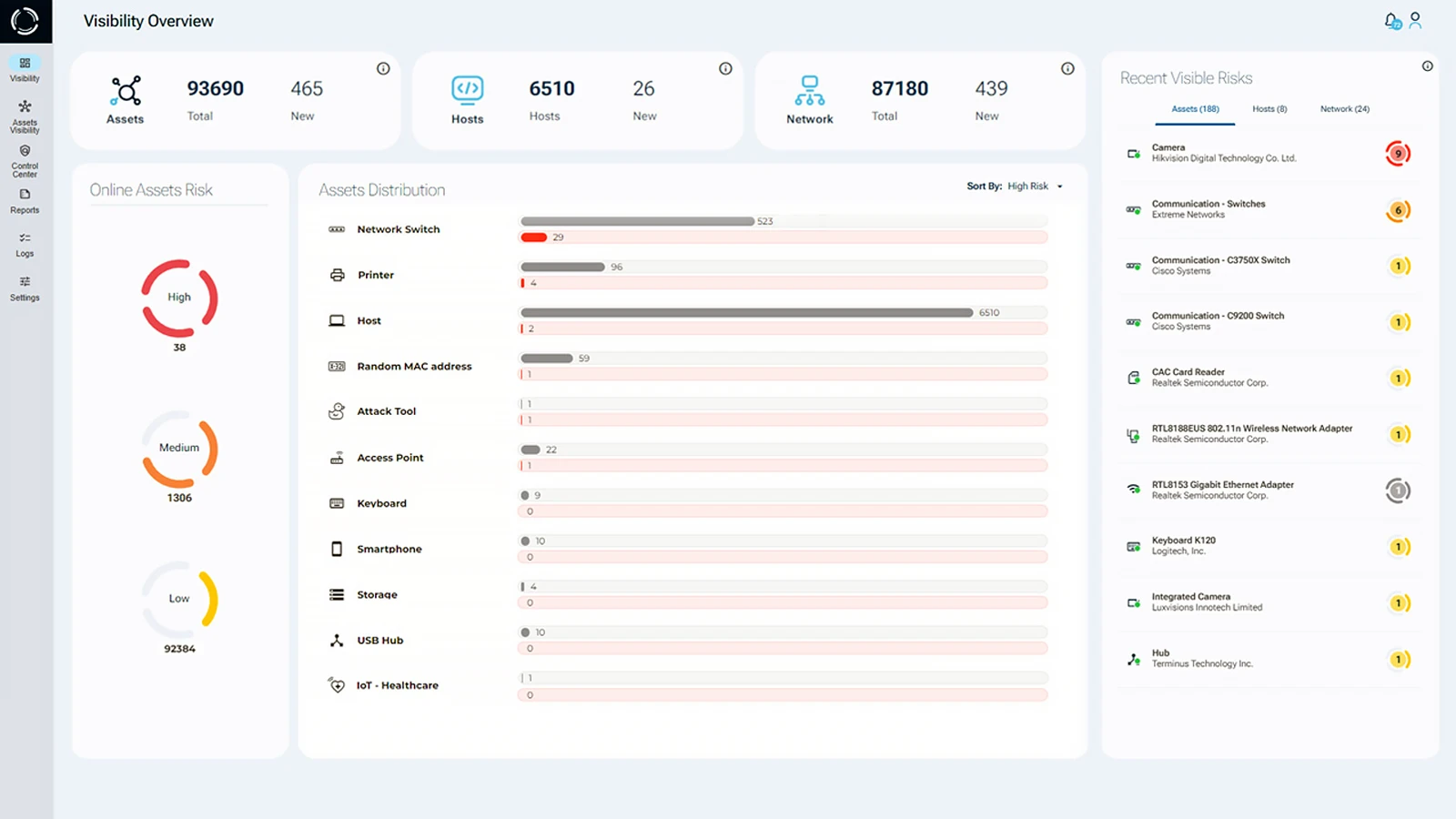
The platform assigns each asset a dynamic risk score, helping security teams prioritize threats and take action before issues escalate. With real-time monitoring and machine learning, Sepio detects changes instantly and enhances response accuracy using business context and external threat intelligence.
Through granular policy enforcement, Sepio automatically blocks unauthorized or high-risk devices, including those that arrive in the form of Cybersecurity Gifts, using integrations with existing security tools. Its trafficless, scalable architecture ensures seamless deployment with minimal overhead, enabling organizations to strengthen hardware cybersecurity without disrupting operations.
See Sepio in Action
Hardware threats can be difficult to identify when security teams lack visibility into the physical devices operating across their infrastructure.
Sepio helps organizations discover, assess, and manage hardware assets while identifying potentially unauthorized or risky devices across IT, OT, IoT, and peripheral environments.
Schedule a personalized demo to see how Sepio can help strengthen your organization’s hardware security.