What is the Physical Layer in OSI Model?
The Physical Layer, also known as Layer 1 of the OSI Model, is responsible for transmitting raw bits (0s and 1s) across physical and wireless communication channels. As the foundation of network communication, it defines the electrical, mechanical, and physical specifications that enable devices to connect and exchange data.
The Physical Layer establishes how network devices such as computers, switches, routers, network interface cards (NICs), hubs, repeaters, modems, and wireless devices communicate through cables, connectors, fiber optics, and radio signals. It also defines signal transmission methods, data rates, and synchronization requirements needed for reliable communication.
The primary responsibilities of the Physical Layer include transmitting raw data, establishing physical connections, defining cable and connector standards, managing signal timing, and supporting the transmission media used throughout the network. Because every network connection begins at Layer 1, visibility into the Physical Layer is essential for identifying connected hardware and detecting security risks associated with unauthorized or unmanaged devices.
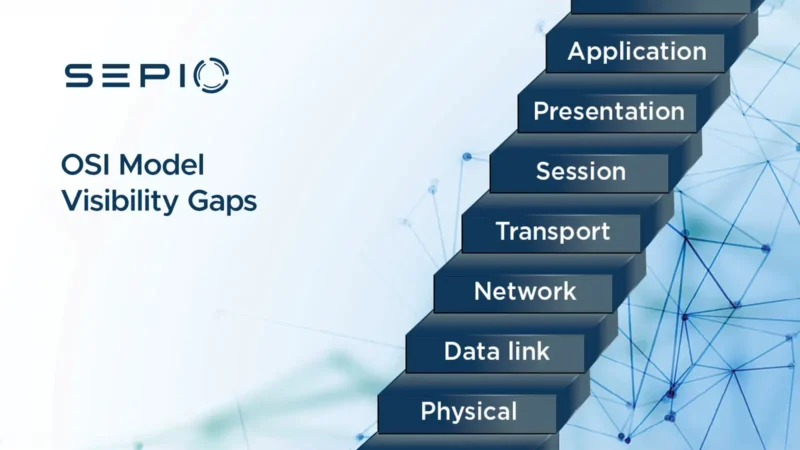
The Open Systems Interconnection (OSI) Model consists of seven layers that work together to enable network communication. The Physical Layer is the first layer of the OSI Model and serves as the foundation for all higher layers. Together, these layers define how data is transmitted, received, and interpreted across networks.
Below is an overview of the seven OSI layers and their functions:

Layer 1 works closely with the Data Link Layer (Layer 2) to support network communication. It establishes the physical connection between devices and transmits raw bits across the network medium. The Data Link Layer then organizes those bits into frames and enables reliable node-to-node communication.
Together, these layers form the foundation of data transmission, allowing devices to send, receive, and process information across wired and wireless networks.
What is the Purpose of the Physical Layer?
The purpose of the Physical Layer in the OSI model is to enable the transmission of raw data between devices across physical and wireless network connections. As Layer 1, it converts binary data into electrical signals, light pulses, or radio waves that can travel through cables, fiber-optic networks, and wireless communication media.
The Physical Layer is responsible for establishing the foundation for network communication by defining the hardware, media, and signaling standards required to transmit data reliably.
Key Functions of the Physical Layer
- Establishing and terminating physical connections: Defines how devices connect to and disconnect from the transmission medium.
- Transmitting raw bits: Sends binary data (0s and 1s) across physical and wireless communication channels.
- Defining hardware and media standards: Specifies cables, connectors, voltage levels, signaling methods, and other physical requirements.
- Managing signal transmission: Controls how data is encoded, synchronized, and transmitted as electrical, optical, or wireless signals.
- Supporting shared communication resources: Defines how multiple devices access and use the same transmission medium.
Understanding the purpose of the Physical Layer is important for both networking and cybersecurity. Because every network connection begins at Layer 1, weaknesses in physical infrastructure can expose organizations to risks from unauthorized devices, unmanaged hardware, hardware implants, and other physical-layer threats.
What Are the Characteristics of the Physical Layer?
The Physical Layer (Layer 1) of the OSI Model defines how data is transmitted across physical and wireless network media. It establishes the standards and mechanisms required for devices to exchange data reliably, making it the foundation of network communication.
Main Characteristics of the Physical Layer
- Physical Connection: Defines the physical components used to transmit data, including cables, connectors, network interfaces, fiber-optic links, and wireless communication technologies.
- Data Rate: Determines the speed at which data is transmitted and received across the communication medium.
- Bit Synchronization: Ensures that sending and receiving devices remain synchronized regarding the start and end of each transmitted bit, supporting accurate data transmission.
- Transmission Mode: Defines whether communication occurs in simplex, half-duplex, or full-duplex mode.
- Representation of Bits: Specifies how binary data (0s and 1s) is represented as electrical signals, light pulses, or radio waves across the transmission medium.
- Error Detection and Correction: Provides basic mechanisms that help maintain signal integrity and support reliable data transmission.
- Network Topology: Defines how devices are physically connected within a network, including bus, star, ring, and mesh topologies.
These characteristics enable reliable, efficient, and accurate data transmission across network infrastructures and provide the foundation for higher OSI layers to process and exchange information.
Why the Physical Layer Matters for Cybersecurity
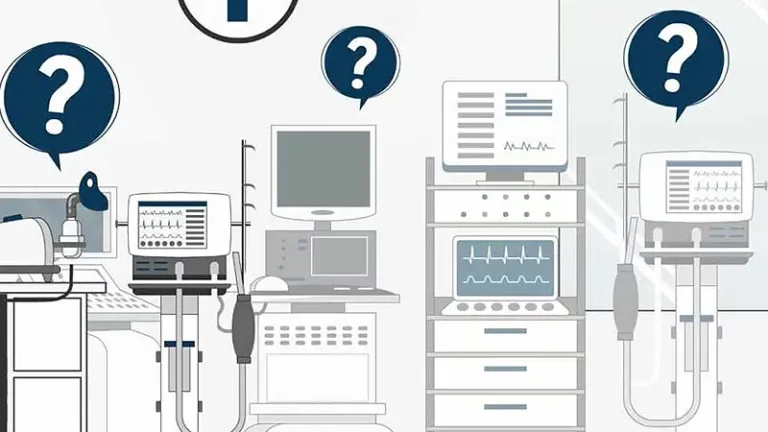
Traditional cybersecurity solutions often focus on higher layers of the network stack, often overlooking the Physical Layer (Layer 1) of the OSI Model. As a result, organizations may have limited awareness of the hardware connected to their environments, making it easier for network implants, rogue devices, spoofed peripherals, and other hardware-based threats to remain undetected.
The Physical Layer is important for cybersecurity because it provides information about the actual hardware connected to the environment, helping establish trust in connected devices. Many security technologies rely on information that devices report about themselves, such as vendor IDs, product IDs, serial numbers, MAC addresses, or device classes. However, a device’s declared identity is not always its true identity.
By providing insight into the physical characteristics of connected hardware, Physical Layer data helps organizations verify devices more accurately, identify unauthorized hardware, and strengthen protection against hardware-based threats.
Managing Hardware Asset Risk
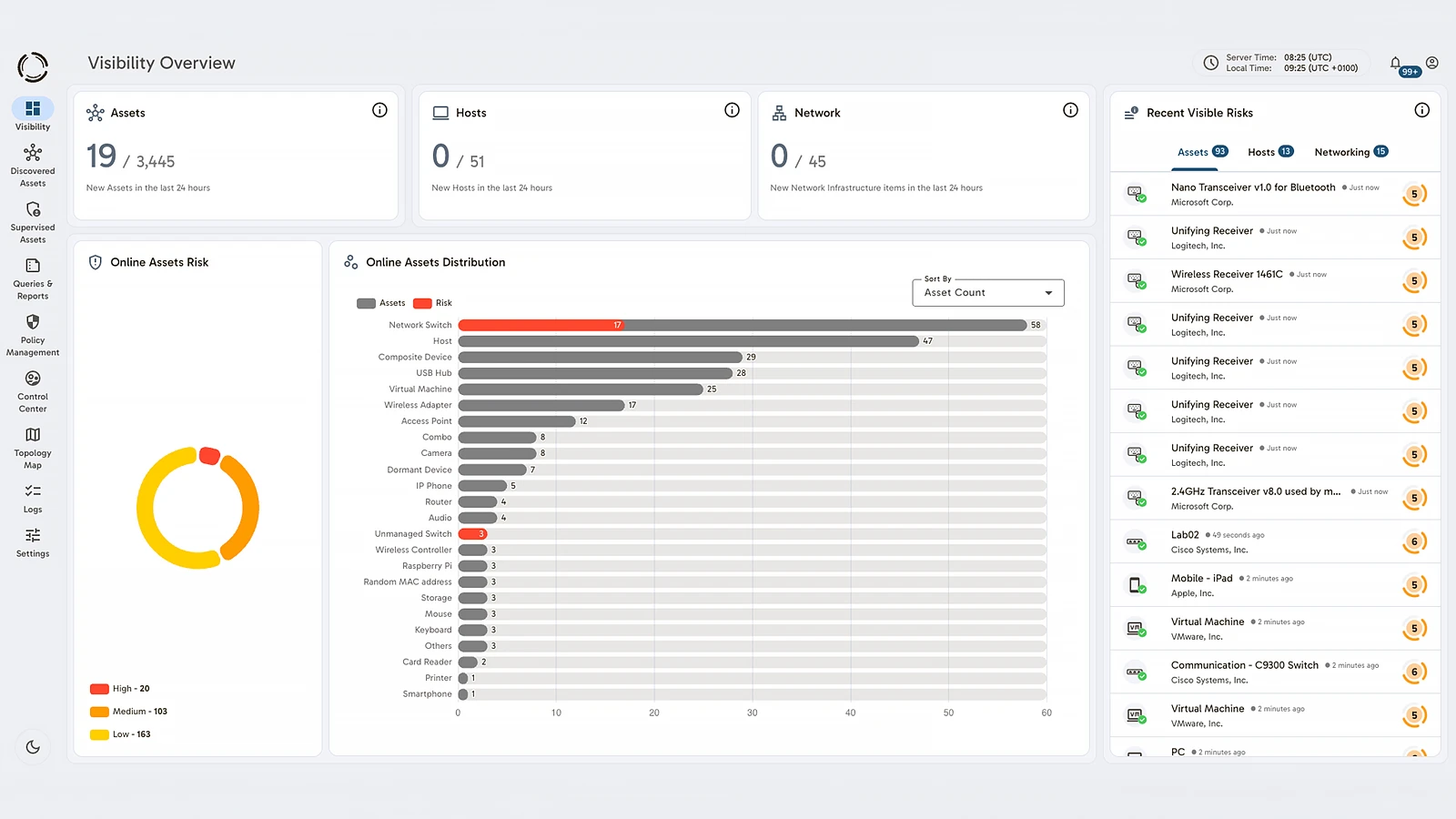
Built on AssetDNA™, Sepio’s Asset Risk Management Platform helps organizations transform hardware visibility into actionable security intelligence.
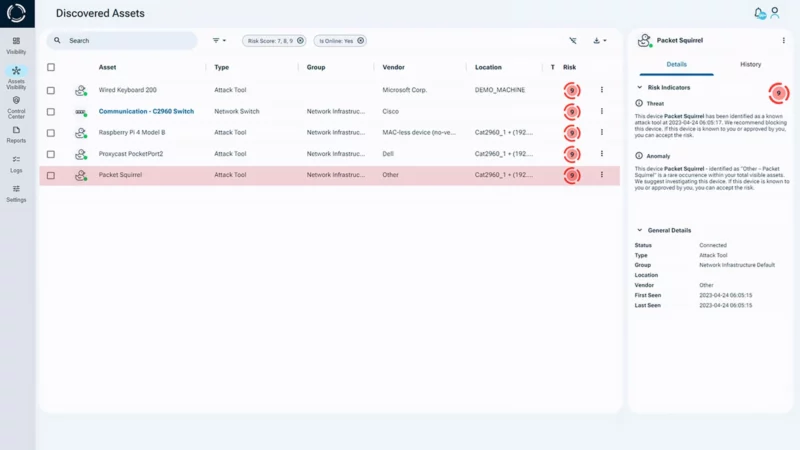
By continuously monitoring hardware characteristics, the platform enables security teams to identify high-risk devices, investigate suspicious hardware, enforce hardware access policies, and strengthen asset governance. This helps organizations make more informed trust decisions while reducing hardware-related risk.
Reduce Hardware-Based Cybersecurity Risk
The Physical Layer is the foundation of network communication and an important source of hardware intelligence. By establishing trust in connected devices and understanding the hardware operating across their environments, organizations can reduce exposure to hardware-based threats.
Schedule a demo to learn how Sepio helps organizations secure Layer 1 and mitigate hardware asset risks.
Talk to an expertFrequently Asked Questions
Layer 1 of the OSI Model is responsible for transmitting raw bits across physical and wireless communication media. It defines the hardware, signaling methods, and transmission standards required for reliable network communication.
The purpose of Layer 1 is to transmit data between devices by converting binary data into electrical signals, light pulses, or radio waves that travel across a communication medium.
Layer 1 establishes physical connections, transmits raw bits, defines hardware and media standards, manages signal transmission, and supports communication across physical and wireless networks.
Key characteristics of the Physical Layer include physical connectivity, data transmission rates, bit synchronization, transmission modes, signal representation, and network topology.
Examples of Physical Layer devices include hubs, repeaters, modems, cables, connectors, transceivers, and network interface components that support the transmission of data signals.