Cybersecurity for hardware devices has become a critical priority for organizations that rely on connected hardware to support daily operations, automate processes, and enable digital transformation. These assets include IoT devices, OT systems, network infrastructure, medical equipment, peripherals, and other technologies that process, transmit, and store critical data.
As the number of connected devices continues to grow, so does the potential attack surface. Rogue devices, spoofing, unauthorized access, malware, and policy drift can introduce risks that traditional security controls may struggle to detect. This challenge is particularly significant in enterprise, industrial, and healthcare environments where visibility into connected assets is critical.
Cybersecurity for hardware devices focuses on protecting these connected assets from cyber threats through visibility, identity verification, continuous monitoring, and access controls. This guide explores the risks, security controls, and best practices for securing connected hardware while improving visibility and enforcing security policies without disrupting operations.
Why Hardware Devices Cybersecurity Matter
Organizations increasingly rely on connected hardware devices, including IoT sensors, industrial controllers, medical equipment, and network peripherals, to support business operations, automate processes, and enable digital transformation. As these devices become more deeply integrated into enterprise environments, they also expand the potential attack surface.
Threat actors increasingly target both software and hardware vulnerabilities to gain unauthorized access, disrupt operations, or evade traditional security controls. Methods such as device spoofing, rogue hardware deployment, AI-driven reconnaissance, and automated exploitation can allow attackers to compromise connected assets that organizations depend on every day.
Protecting connected devices and the data they process requires a security strategy that extends beyond traditional endpoints. Effective device cybersecurity relies on comprehensive visibility, continuous monitoring, verified device identity, and strong access controls to reduce risk across the entire environment.
The Scale of IoT and Device Exposure
The explosion of IoT adoption has created an unprecedented cybersecurity challenge:
- By 2025, more than 30 billion IoT connections are expected worldwide, approximately four IoT devices per person.
- Every second, an estimated 127 new devices connect to the internet.
- Many devices lack strong security controls, ship with default credentials, or are manufactured without standardized security requirements.
This combination of expanding connectivity, increasing automation, and inconsistent security practices creates a growing attack surface. As organizations deploy more connected hardware, managing device visibility, security, and compliance becomes increasingly difficult. Without effective cybersecurity for hardware devices, attackers can exploit these gaps to gain unauthorized access, disrupt operations, or compromise sensitive data.
Why Traditional Hardware Device Cybersecurity Is Not Enough
Traditional cybersecurity solutions such as firewalls, antivirus software, endpoint protection, and network monitoring play an important role in reducing risk. However, they often provide limited visibility into connected hardware and may struggle to identify unmanaged, unauthorized, or spoofed devices.
As organizations deploy more IoT, OT, and peripheral devices, security teams face growing challenges related to asset discovery, authentication, and device visibility. These gaps create blind spots that attackers can exploit to gain unauthorized access or evade detection.
One of the biggest challenges is that many security technologies trust devices based on the identity they report. Vendor identifiers, serial numbers, MAC addresses, and operating-system descriptors help systems classify devices, but a declared identity is not necessarily a verified identity.
For example:
- A device that identifies itself as a keyboard may not be an ordinary keyboard.
- A network interface may present legitimate manufacturer information while concealing its true nature.
- A replacement peripheral may use the same identifiers as the original device but have different underlying characteristics.
- A composite device may perform more functions than users or security teams expect.
This creates a fundamental Zero Trust question:
Are we trusting the device because we have verified what it is, or because we have accepted what it claims to be?
Effective cybersecurity for hardware devices requires more than software-based protections alone. Organizations need verified device identity, continuous visibility, and the ability to detect and control hardware that traditional security tools may overlook.
Why Hardware Devices Are a Prime Target for Attackers
Hardware devices often operate outside traditional security controls, making them attractive targets for attackers. Many devices in enterprise, industrial, and healthcare environments are:
- Unmanaged or partially managed
- Difficult to patch
- Invisible to traditional cybersecurity tools
- Operating in sensitive or mission‑critical locations
As organizations deploy more connected hardware, every new device introduces a potential point of compromise. Attackers frequently target weak configurations, insecure interfaces, missing device authentication, rogue hardware, and shadow devices that evade detection.
- Weak or default configurations
- Insecure ports and interfaces
- Lack of device authentication
- Rogue or spoofed hardware
- Shadow devices that slip onto the network unnoticed
Hardware Threats That Traditional Cybersecurity Often Misses
Despite investments in firewalls, antivirus software, endpoint protection, and network monitoring, many organizations still have limited visibility into hardware-based threats. Attackers increasingly exploit ports, peripherals, and connected devices that fall outside the scope of traditional security controls.
USB Device Attacks
USB devices remain a common attack vector. The FBI has warned about malicious USB drives mailed to unsuspecting victims. When connected, these devices can deliver ransomware, steal data, or provide attackers with unauthorized access to enterprise systems. Even devices that appear legitimate may conceal unexpected functionality or malicious code.
HDMI and Peripheral Exploits
USB devices are not the only concern. Attackers can also exploit HDMI interfaces and other peripherals to inject commands, spread malware, or disrupt operations. Research has demonstrated how unsecured peripheral interfaces can be abused to compromise systems and bypass traditional security controls.
Unsecured Ports and Hidden Devices
Attackers increasingly target unsecured hardware ports, connected industrial systems, and unmanaged IoT devices because they often operate outside normal security visibility. In many organizations, these assets remain:
- Undocumented
- Unmonitored
- Unprotected
- Invisible to IT and cybersecurity teams
As a result, they can create blind spots that traditional security controls may fail to detect. Attackers can exploit these hidden assets to gain unauthorized access, evade detection, or establish a foothold within the environment.
Finding Hidden Devices In the Network
Many cybersecurity tools rely on identifiers such as MAC addresses, IP addresses, or agent-based monitoring. Hidden, unmanaged, or spoofed devices can evade these controls, creating security blind spots across enterprise environments.
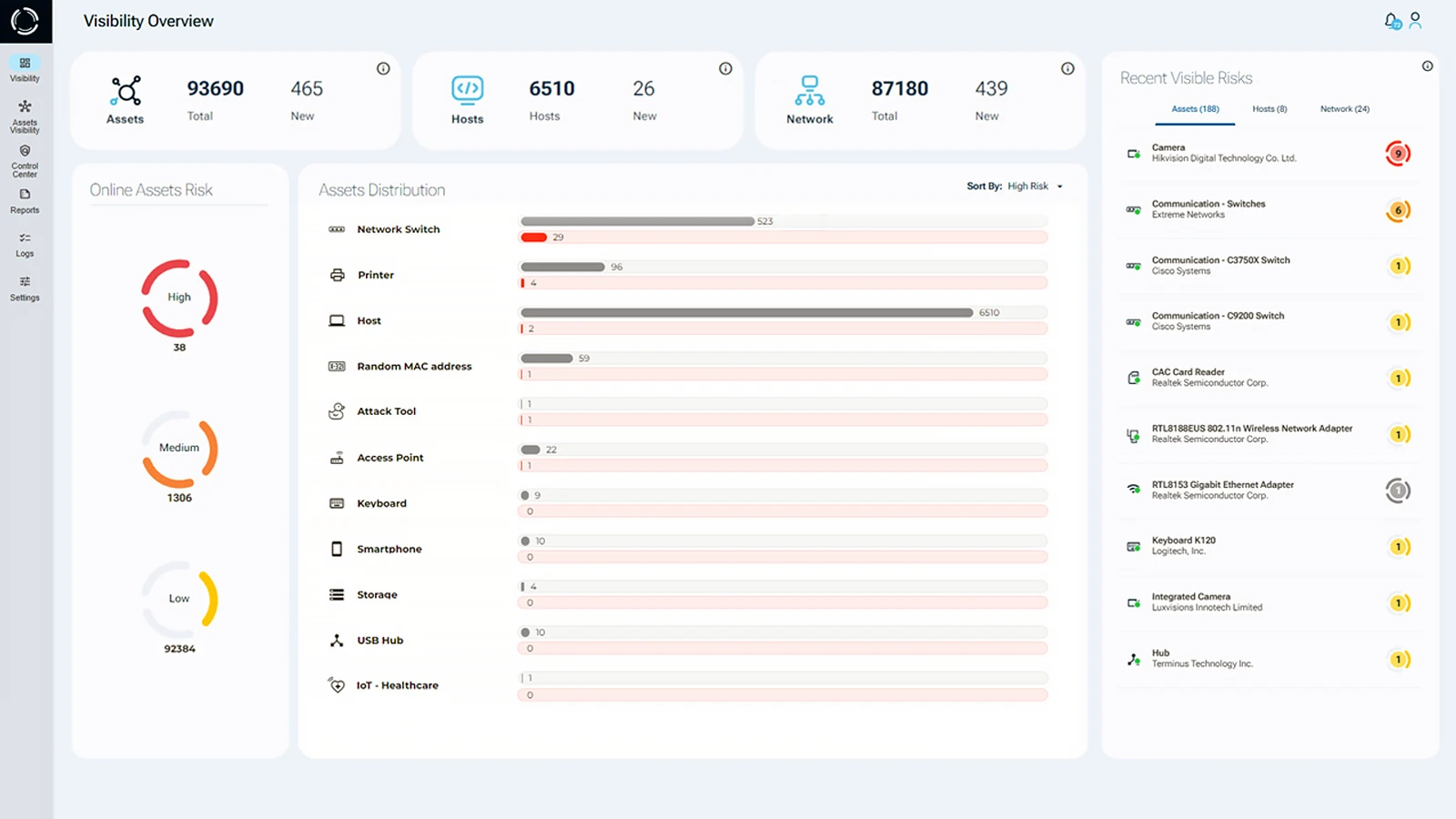
Sepio addresses this challenge through physical-layer asset intelligence. By validating device identity using physical characteristics rather than self-reported identifiers, organizations can discover managed, unmanaged, and hidden devices that traditional security tools may miss.
This enables security teams to:
- See every asset in real time
- Enforce device‑level access policies
- Identify rogue, impersonated, or unauthorized hardware
- Prevent hardware‑based attacks before they cause damage
Rather than relying solely on what a device claims to be, trust should be based on stronger and continuously evaluated evidence. This is the foundation of Zero Trust Hardware Access (ZTHA):
- Discover the connected asset.
- Establish its hardware identity.
- Compare its observed characteristics with the expected profile.
- Assess the risk it introduces.
- Apply the appropriate policy.
- Continue verifying it throughout its lifecycle.
In this model, hardware is not trusted permanently because it was approved once. Trust is continuously earned.
Sepio’s approach strengthens Zero Trust Hardware Access (ZTHA), insider threat protection, BYOD management, IT/OT/IoT security, and asset governance programs. By providing verified device identity and continuous visibility, organizations can reduce device-level risk and improve trust across their entire environment.
Learn more about the role of hardware-based security in protecting cyber security devices and strengthening your overall cybersecurity posture. Read the full article on SecurityInfoWatch to explore these common security myths and the realities behind them.
Talk to an expert