Cybersecurity asset management is the process of discovering, identifying, monitoring, and securing all assets connected to an organization’s environment. Effective security asset management provides visibility into hardware, software, IoT, and unmanaged devices, helping organizations reduce cyber risk, strengthen compliance, and maintain operational resilience.
Modern cybersecurity asset management extends beyond maintaining an inventory. Security teams need accurate asset intelligence to understand what devices are present, verify their identity, assess their risk, and identify unauthorized or unmanaged assets. By combining asset visibility with continuous monitoring and risk assessment, organizations can make informed security decisions and improve their overall cybersecurity posture.
The Role of Asset Management in Cybersecurity
In today’s rapidly evolving technology landscape, organizations face growing challenges in managing an increasingly diverse and distributed asset ecosystem. From corporate endpoints and cloud-connected systems to IoT devices and employee-owned devices (BYOD), maintaining complete asset visibility is essential for reducing cyber risk. Effective cybersecurity asset management helps organizations discover, identify, and monitor assets across their environment while ensuring that each device aligns with security policies and compliance requirements.
As networks continue to expand, security teams require more than a basic inventory of connected devices. They need accurate asset intelligence to understand what assets exist, where they are located, and whether they introduce risk. Without this visibility and context, unauthorized, unmanaged, or unexpected devices can create security blind spots that increase an organization’s attack surface.
Organizations often struggle to manage the large number of devices connecting to their networks every day. Each endpoint represents a potential entry point for cyber threats, making cybersecurity asset management a critical component of modern security strategies. By continuously discovering assets, validating their identity, and monitoring their status, organizations can strengthen information security, improve operational resilience, and adapt more effectively to evolving cyber threats and emerging technologies.
The Importance of Comprehensive Asset Visibility
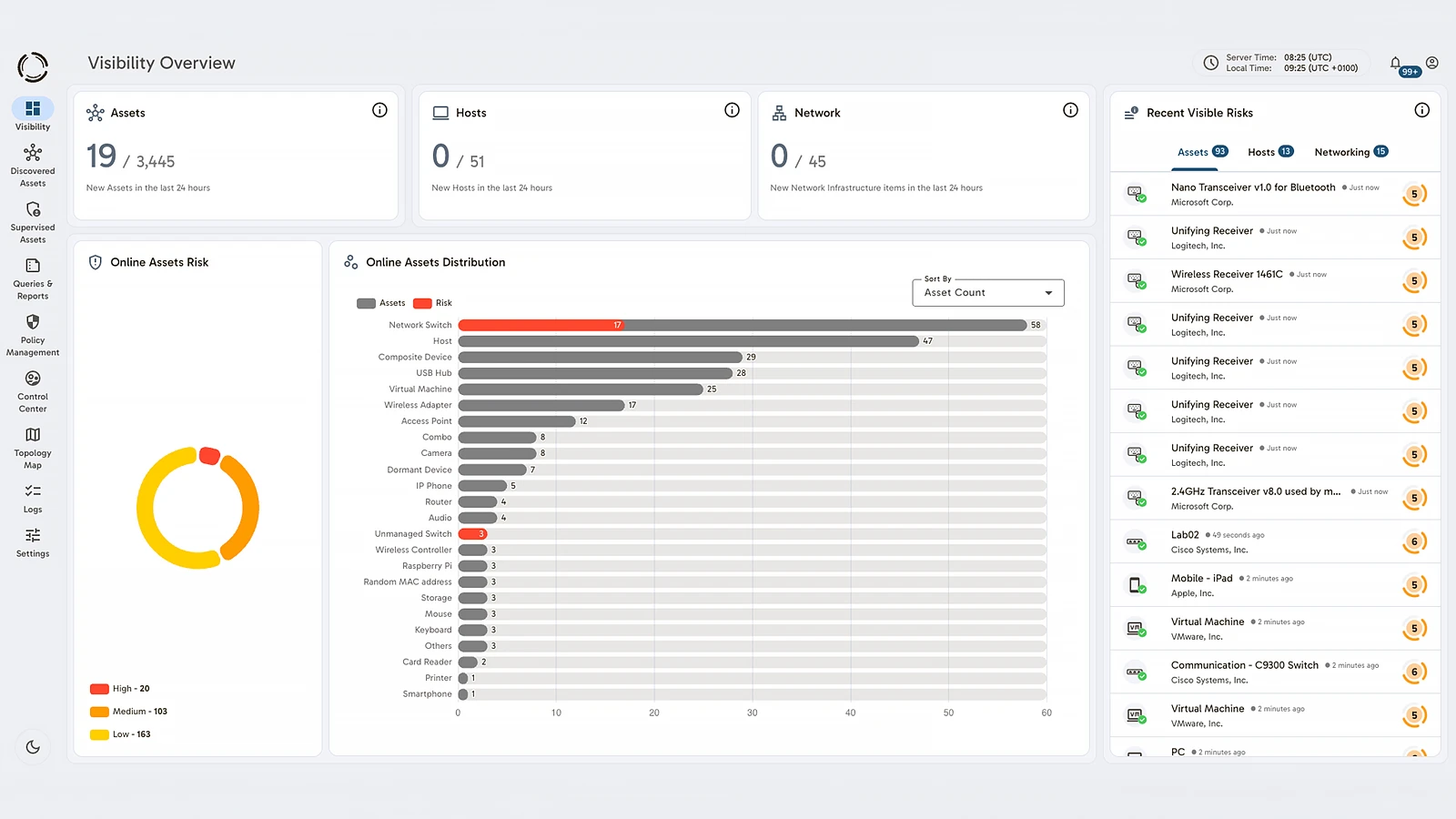
Cybersecurity asset management begins with comprehensive asset visibility, a foundational requirement for effective security operations. Organizations must maintain a complete inventory of IT assets, including hardware, software, IoT devices, and unmanaged assets, to reduce risk and strengthen security. Without accurate visibility, security teams may overlook vulnerabilities, misconfigured systems, or unauthorized devices that create gaps in an organization’s defenses.
Asset visibility, however, is only the first step. Effective cybersecurity asset management requires organizations to understand not only that an asset exists, but also what it is, where it is located, and whether it introduces risk. By combining asset discovery, asset inventory management, asset identification, and continuous monitoring, organizations can improve decision-making, support compliance initiatives, and strengthen their overall cybersecurity posture.
Regular audits and assessments further enhance visibility by helping organizations identify invisible network devices, unmanaged assets, and previously unknown risks. Combined with vulnerability management efforts, comprehensive asset visibility enables organizations to detect potential threats earlier, prioritize remediation activities, and maintain resilience against evolving cyber threats. Security teams that maintain continuous visibility are better positioned to manage risk and respond effectively to changes across their environments.
Adapting to the Rise of IoT Devices
As the number of Internet of Things (IoT) devices grows exponentially, organizations must adapt their cybersecurity asset management strategies. IoT devices often have limited security capabilities, making them attractive targets for cybercriminals. These devices can serve as entry points into larger networks, increasing the risk of compromise.
Effective cybersecurity asset management helps organizations discover, identify, and monitor IoT devices, ensuring they are not overlooked within the broader security strategy. As IoT adoption continues to accelerate, organizations must maintain visibility into all connected assets and address the unique risks these devices introduce.
Streamlining Asset Management Across the Organization
Integrating asset management into cybersecurity strategy is essential for effective asset risk management (ARM). Organizations should establish security policies to monitor, assess, and update all cybersecurity assets. A clear asset management policy outlines IT teams’ responsibilities, such as tracking asset lifecycles, conducting maintenance, and performing security assessments. Aligning asset management with cybersecurity goals ensures comprehensive asset protection.
Effective cybersecurity asset management enables organizations to take both proactive and reactive security measures. By identifying risks earlier and prioritizing remediation efforts, security teams can strengthen defenses while optimizing resources.
Integrating cybersecurity asset management into compliance programs also helps organizations meet regulatory and industry requirements. A comprehensive asset management strategy protects sensitive data, reduces exposure to cyber threats, and strengthens trust with customers, partners, and stakeholders.
Sepio’s Solution for Enhanced Asset Management
Sepio transforms cybersecurity asset management from simple asset visibility into asset identification and risk assessment. Using Physical Layer Visibility and AssetDNA™ technology, Sepio discovers assets based on their physical existence rather than their activity, enabling organizations to establish a trusted inventory of connected devices.
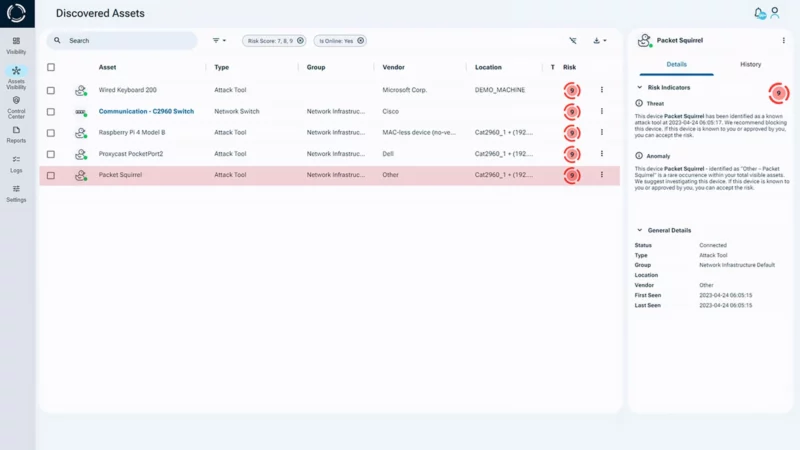
By creating a hardware-derived digital fingerprint for every asset, Sepio helps organizations identify known, unknown, unmanaged, and unauthorized devices across their environments. This asset intelligence enables security teams to better understand what assets are present, assess associated risks, and make informed security decisions.
Each asset is enriched with contextual information and risk insights, helping organizations prioritize remediation efforts and strengthen their cybersecurity posture. By reducing blind spots and improving visibility into asset-related risks, organizations can make asset management a more effective part of their overall cybersecurity strategy.
Sepio extends asset visibility beyond traditionally managed devices by identifying unmanaged and otherwise overlooked assets. This comprehensive approach helps organizations account for all connected devices, reduce security gaps, and gain a more complete understanding of their attack surface.
Enhance Your Cybersecurity Asset Management Strategy
Learn how Sepio can strengthen your cybersecurity asset management strategy by improving asset visibility, asset identification, and risk assessment. Contact us to discover how complete asset intelligence can help secure your environment, support compliance initiatives, and reduce cyber risk.
Talk to an expertFrequently Asked Questions
Cybersecurity asset management is the process of discovering, identifying, inventorying, monitoring, and securing all assets connected to an organization’s environment. This includes hardware, software, IoT devices, and unmanaged assets. Effective cybersecurity asset management helps organizations reduce risk, improve visibility, and strengthen their overall security posture.
Cybersecurity asset management helps organizations understand what assets exist across their environments and identify potential security risks. Without accurate asset visibility, security teams may overlook vulnerabilities, unauthorized devices, or unmanaged assets that can increase the attack surface and create opportunities for cyberattacks.
Asset visibility helps organizations identify which assets are present within their environment. Asset intelligence goes a step further by providing additional context about those assets, including their identity, characteristics, risk level, and relevance to the organization. Together, they help security teams make more informed decisions and prioritize security efforts.
Cybersecurity asset management reduces risk by helping organizations identify vulnerabilities, detect unmanaged or unauthorized devices, and maintain visibility across their environments. With a complete understanding of connected assets, security teams can prioritize remediation efforts, enforce security policies, and respond more effectively to emerging threats.
Sepio enhances cybersecurity asset management through Physical Layer Visibility and AssetDNA™ technology. By discovering assets based on their physical existence and creating a hardware-derived fingerprint for each device, Sepio helps organizations identify known, unknown, unmanaged, and unauthorized assets, assess associated risks, and maintain a trusted asset inventory.