A newly disclosed USB vulnerability in Windows brings a fundamental security question into focus: how much trust should a system place in connected hardware?
USB devices are designed to be trusted almost by default. Plug one into a Windows system, and the operating system identifies the device, loads the appropriate driver, and makes it available to the user. But what happens when the connected hardware is malicious?
Microsoft’s disclosure of the USB vulnerability CVE-2026-49794 brings that question into focus. The vulnerability in the Windows USB Audio Class driver could allow a malicious physical USB device to expose information from system memory under specific conditions. Microsoft has addressed the flaw through security updates, but the incident points to a security challenge that extends beyond any individual driver vulnerability.
At its core, this is a question of trust in connected hardware, and whether identifying a device is enough to establish that trust.
More Than a USB Vulnerability
CVE-2026-49794 is a USB vulnerability in software responsible for handling USB audio devices. It does not mean that ordinary USB headsets, speakers, or other audio peripherals have suddenly become inherently unsafe. Rather, it illustrates how a connected peripheral can become an attack vector when trusted operating-system software processes data supplied by the device.
A USB peripheral does more than simply connect to a computer. During the connection process, the device presents characteristics that allow the operating system to determine what type of hardware it is and how it should communicate with it. USB descriptors can include information such as the Vendor ID, Product ID, device class, subclass, protocol, and other characteristics. The operating system uses this information to identify the device and load the appropriate driver.
That interaction is essential for USB to work at scale, but it also introduces an important security risk: a device can manipulate the identity information it presents to the operating system. As a result, the system may recognize the hardware as one type of device even though it is capable of something entirely different. In other words, what a device claims to be is not necessarily what it can actually do.
A malicious peripheral can be designed to present itself as a keyboard, mouse, storage device, network adapter, printer, or other familiar class of hardware. The more devices organizations connect to endpoints, the larger the physical attack surface becomes.
The key issue is therefore not whether a particular device category is inherently dangerous. It is whether organizations can see, identify, authorize, and continuously assess the hardware connected to their environments.
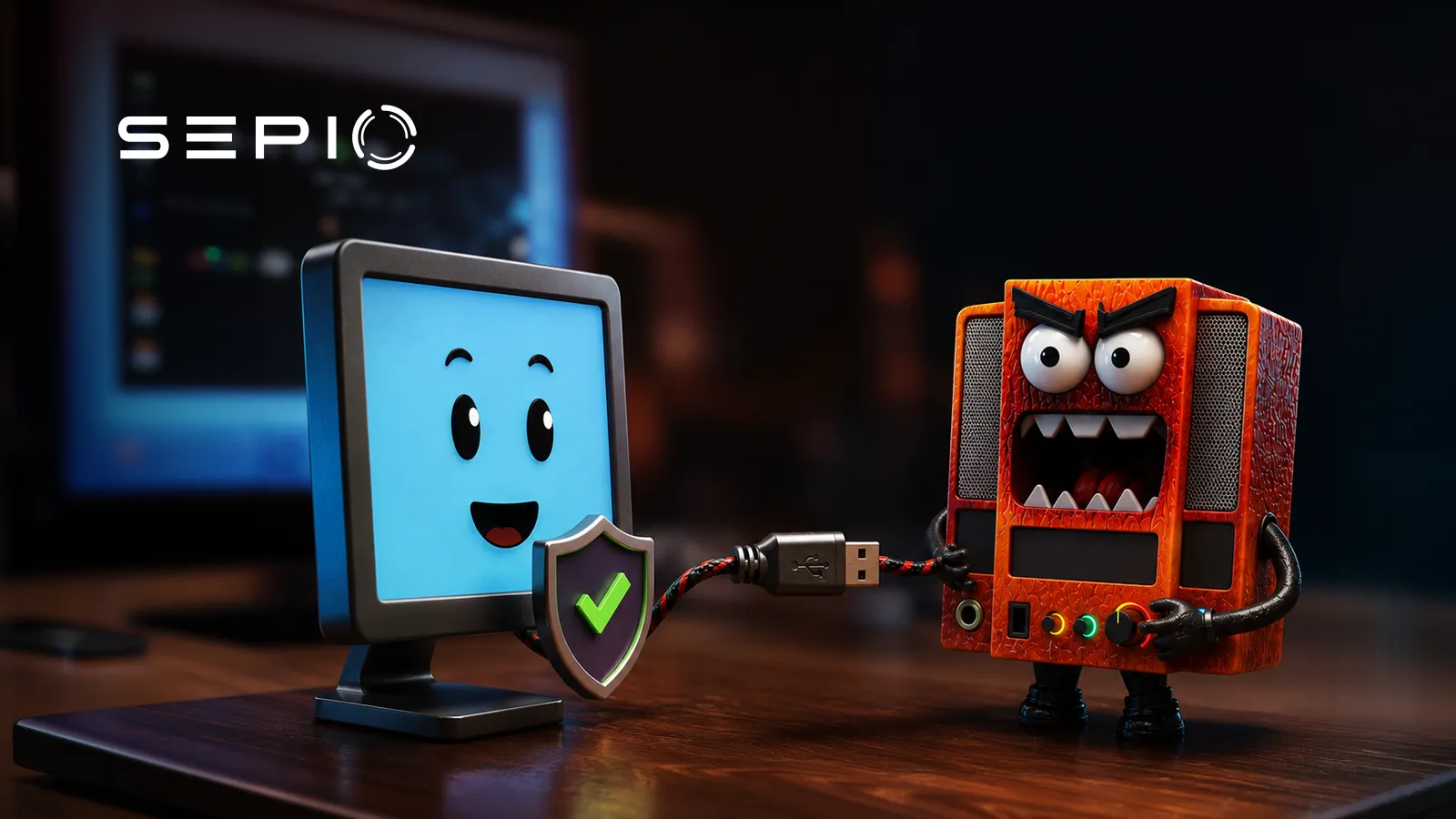
Beyond Patching a USB Vulnerability
Applying Microsoft’s security update is the appropriate first step for addressing CVE-2026-49794 USB vulnerability. But while patching the driver addresses the specific software vulnerability, it does not answer the broader question of hardware trust.
Modern organizations operate with an enormous variety of connected peripherals across corporate offices, manufacturing facilities, healthcare environments, laboratories, retail locations, and shared workspaces. Many of these devices sit outside traditional endpoint-management workflows and may receive considerably less security attention than laptops, servers, and mobile devices.
This creates a visibility gap.
Security teams may know which computers are connected to the network, which users have authenticated, and which applications are running. But they may have far less visibility into the physical peripherals attached to those endpoints.
Questions that organizations should be able to answer include:
- What hardware has been connected to the endpoint?
- Is the device authorized for use?
- Does its reported identity correspond to its actual hardware characteristics?
- Is the device’s functionality appropriate for the endpoint?
- Has the device changed or exhibited unexpected characteristics?
- Should the device be allowed to remain connected?
These questions become increasingly important as organizations adopt Zero Trust security strategies. Zero Trust is built on the principle that trust should not be assumed simply because a user, device, or connection appears familiar.
The same principle should apply to physical hardware: trust should be based on verification, not assumption.
Extending Zero Trust to Hardware
A device being recognized by an operating system does not guarantee that the underlying hardware has been independently verified.
Organizations should not trust a connected device solely because it is recognized by the operating system. Access decisions should be based on independently verified hardware characteristics.
This extends Zero Trust principles beyond users, applications, and endpoints to the hardware itself.
From Device Identification to Hardware Verification
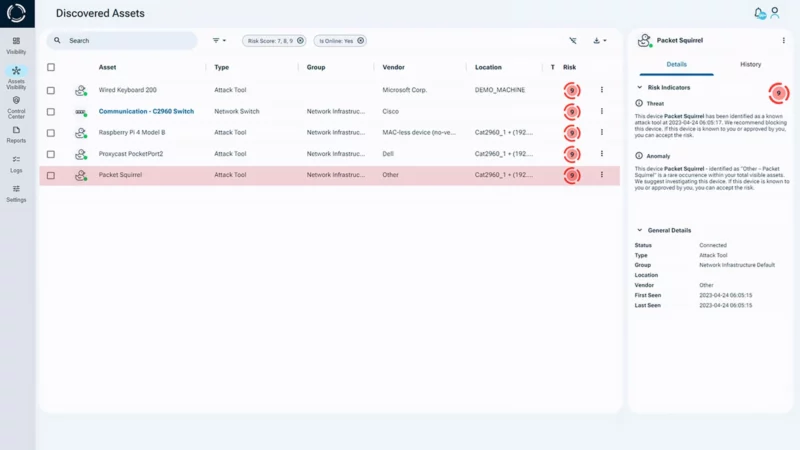
Sepio’s patented AssetDNA™ technology analyzes connected devices at the physical layer, providing organizations with an independent view of hardware identity and characteristics. This enables security teams to identify connected peripherals, assess whether their characteristics correspond to expected hardware, and detect potentially malicious or unauthorized devices.
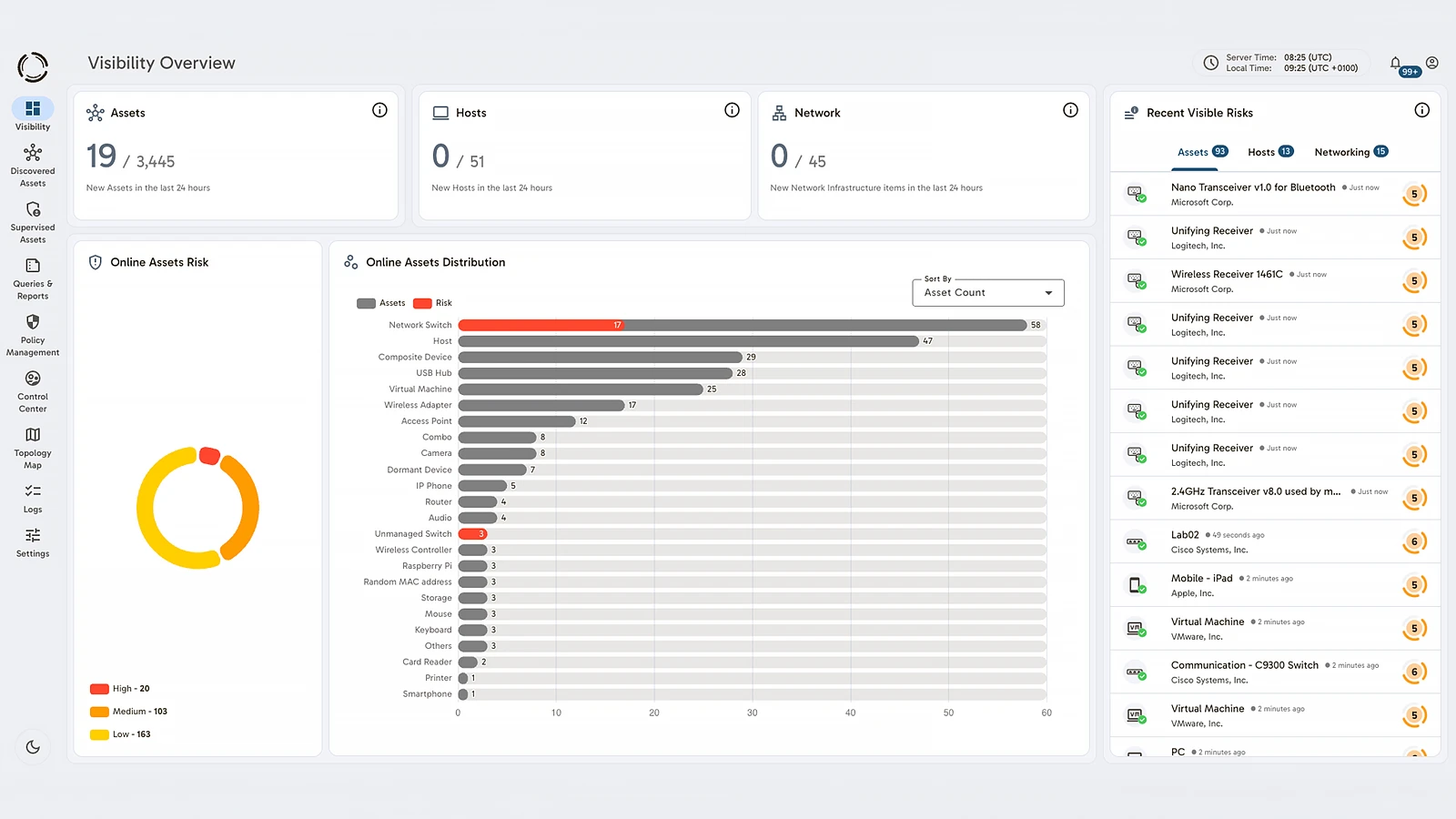
The distinction is important. Endpoint software can tell security teams what a device reports itself to be and how the operating system interacts with it. Physical-layer analysis verifies what is actually connected.
That additional visibility can help organizations identify hardware that falls outside approved inventories, detect unexpected device characteristics, and investigate peripherals that may otherwise remain invisible to conventional security controls.
Zero Trust Hardware Access
Sepio’s platform supports Zero Trust Hardware Access (ZTHA) by providing visibility into connected physical assets and helping security teams make informed decisions about which devices should be trusted and allowed to operate.
Instead of treating a USB connection as inherently trustworthy, organizations can apply a more deliberate approach:
Identify → Verify → Assess → Authorize → Monitor
This model helps reduce physical-layer blind spots, strengthen USB device security, and complement existing endpoint, identity, and network security controls.
The Bigger Lesson From This USB Vulnerability
CVE-2026-49794 is ultimately a reminder that the security boundary of an endpoint does not stop at its operating system or network connection.
A USB device can interact directly with trusted software running on a system. When that software contains a vulnerability, a malicious peripheral can potentially turn a routine hardware connection into an attack path.
Microsoft’s update addresses the specific USB vulnerability, but the larger challenge remains: organizations need visibility into connected hardware and a reliable way to verify its identity and characteristics.
For security teams, the question is simple:
“Do we know what this device really is, and should we trust it?”
Staying Ahead of Emerging USB Threats
As new USB vulnerabilities and hardware-based attack techniques emerge, organizations should maintain visibility into the devices connecting to their environments and continuously assess the hardware they allow to operate.
Follow Sepio on LinkedIn for cybersecurity news, hardware security insights, and updates on emerging threats affecting connected devices.
Talk to an expert