NIS2 Compliance
Sepio Cross Reference Guide
NIS2 compliance requires covered entities to demonstrate effective cybersecurity governance, risk management, incident reporting, and audit readiness. In practice, many programs fail at the first step: maintaining a reliable inventory of what is actually connected to the environment.
Delivering Device Truth and Asset Assurance for NIS2 Compliance
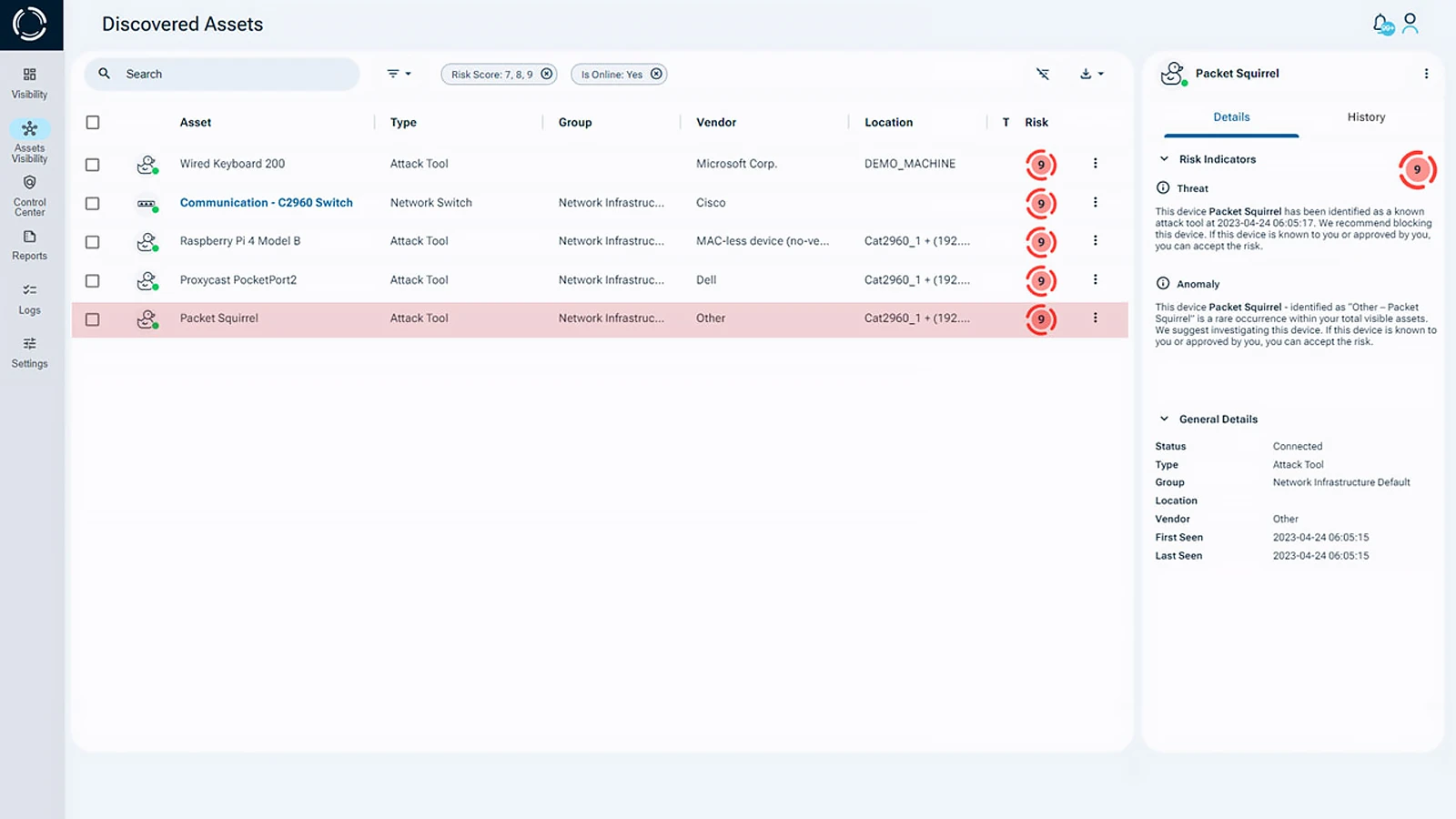
Sepio addresses this gap by delivering device truth validation through AssetDNA™, along with complete visibility across managed and unmanaged assets, policy-based hardware access control, and automated mitigation workflows. This makes Sepio especially relevant to NIS2 compliance requirements related to physical asset management, supply chain security, incident handling, and evidence-driven control effectiveness.


Strongest NIS2 Alignment
Article 21 controls related to asset management, risk analysis, supply chain security, incident handling, and effectiveness assessment. Sepio directly supports these domains through continuous asset verification and hardware‑level visibility.

Shared Responsibility Model
Sepio provides the technical control and evidence layer – including device validation, asset visibility, and control effectiveness insights. Customers retain responsibility for governance, legal reporting submissions, business continuity planning, IAM, MFA, and cryptography programs.

Audit Value
Sepio’s outputs can be packaged into recurring evidence sets to support internal audit cycles, customer assurance requests, and regulator inquiries. This accelerates audit readiness and reduces manual evidence-collection overhead.
NIS2 Applicability Context
NIS2 applies to a broad set of sectors and introduces obligations for both essential and important entities. Final implementation and enforcement details are defined in each national law.
Broad NIS2 Requirements
NIS2 establishes requirements across governance, cyber risk management, incident reporting, and supervisory evidence.
Sector‑Specific Overlaps
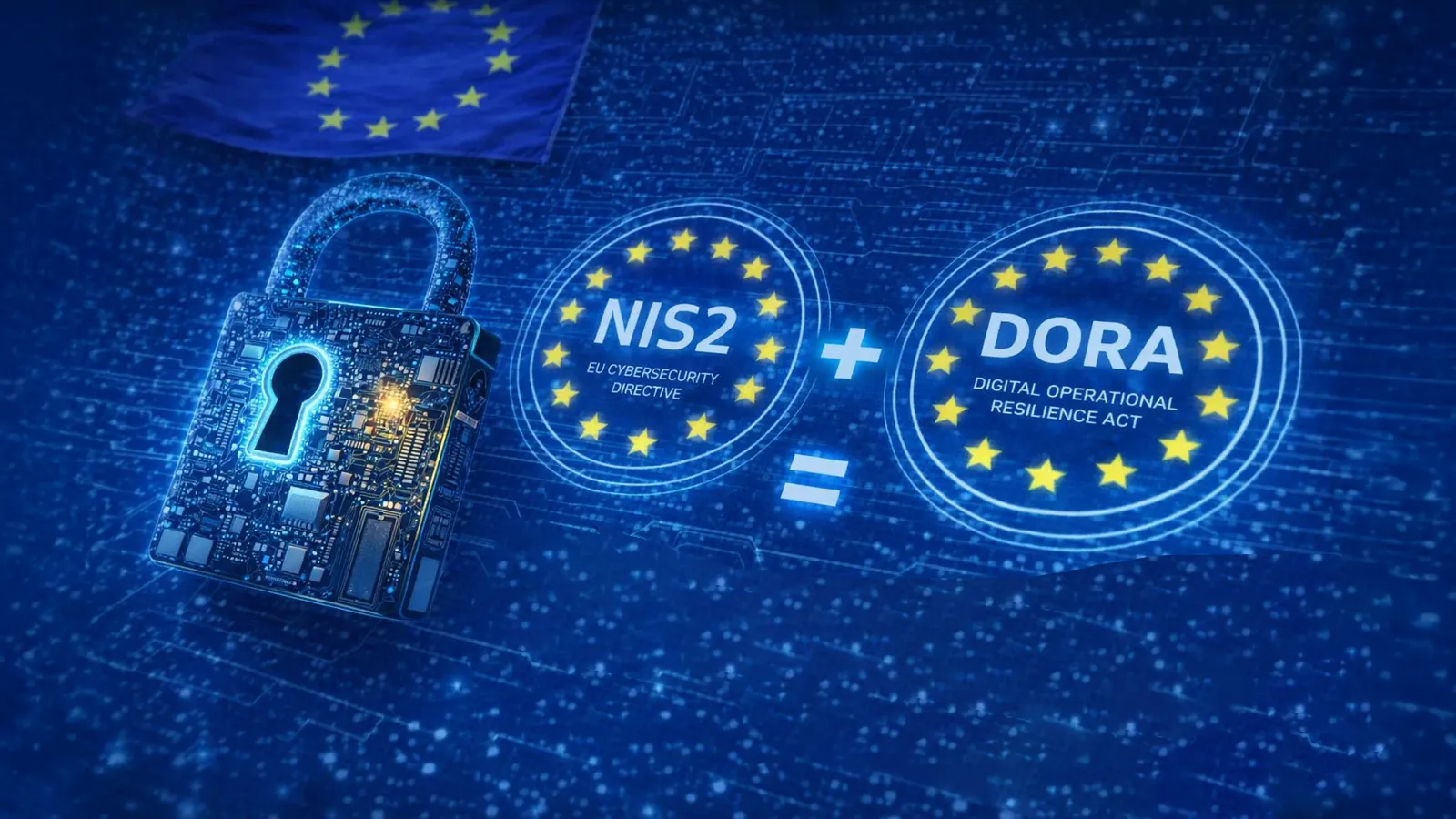
Sector-specific EU regulations may override overlapping NIS2 obligations where equivalent requirements exist, such as DORA for many financial entities.
Sepio’s Role in Customer Compliance
Sepio supports its customers’ NIS2 compliance through strong security controls, risk management, and incident handling, and should be mapped into the customer’s existing control framework rather than treated as a standalone compliance program.
Sepio’s Own Alignment
Sepio’s EU operations are strongly aligned with NIS2 requirements. Customers should confirm scoping, local reporting thresholds, and regulator expectations before finalizing their compliance operating model.
Sepio Capability Baseline for NIS2 Mapping

AssetDNA
AssetDNA-based device truth validation using physical-layer and hardware-level characteristics.

Authoritative Asset Inventory
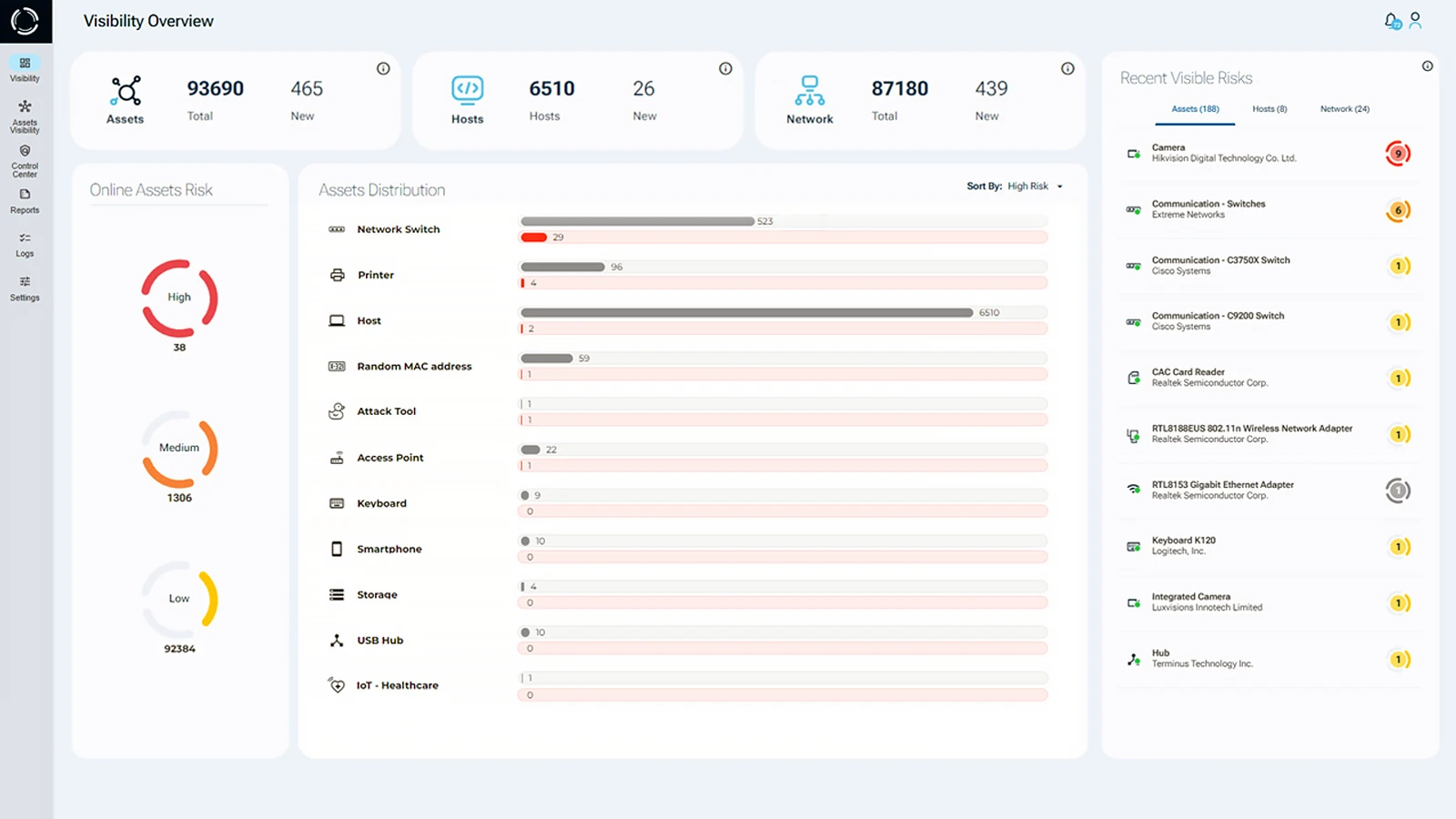
Comprehensive asset inventory across network assets, endpoints, peripherals, and cyber-physical environments (CPS).

Policy-Based Hardware
Policy-based hardware access enforcement and automated mitigation workflows.

Continuous Monitoring
Continuous monitoring with device location context, historical activity, and evidence generation.

Trafficless Visibility
A trafficless visibility model that remains effective in environments with encrypted traffic.

Integration Support
Integration with SIEM, SOAR, NAC, and ticketing tools to operationalize response and reporting.
Recommended Sepio Evidence Pack for NIS2 Programs
Customers should build a recurring evidence package on a monthly or quarterly basis. The goal is to demonstrate that controls are not only defined, but actively operating and producing measurable outcomes.
- Asset inventory baseline – complete inventory by site, segment, and critical asset class, including unmanaged and shadow assets
- AssetDNA and identity validation evidence – records of unknown, spoofed, or policy-violating device detections and their disposition
- Policy catalog and approvals – policy versions, owners, enforcement mode, and exception records
- Policy enforcement and mitigation logs – alerts, block or isolate actions, escalations, and workflow outcomes
- Vulnerability and exposure context reports – prioritized device groups and remediation support outputs
- Location-aware and asset history reporting – device location context and historical activity to support investigations
- Integration evidence – SIEM, SOAR, NAC, and ticketing records proving end-to-end workflow execution
- Effectiveness review package – KPI trends, control testing results, and management review decisions
Shared Responsibility Model
Sepio is a critical control layer for device trust and hardware risk mitigation, but NIS2 compliance remains a program that spans people, processes, and multiple technologies.
- Device Discovery & Identity Validation: Sepio discovers and validates devices; customers manage governance and legal accountability. Together, this ensures auditable risk management.
- Hardware Policy Enforcement & Mitigation: Sepio enforces hardware policies; customers handle incident response and regulator reporting, enabling faster containment and stronger evidence.
- Continuous Monitoring & Evidence Generation: Sepio monitors devices and generates evidence; customers test controls and retain audit records, demonstrating due diligence and effectiveness.
- Integration to Ecosystem Tools: Sepio integrates with operational tools; customers manage staffing and coordination, resulting in operationalized NIS2 readiness.
Sector Specific Note for Financial Entities
For many financial entities, DORA may define the primary cybersecurity and incident reporting obligations where it overlaps with NIS2. In these cases, position Sepio as NIS2-aligned and DORA-supportive, and confirm the governing requirements through the applicable national implementation and supervisory guidance.
- Use Sepio NIS2 Compliance Cross Reference Guide as a control-alignment reference for hardware-trust and asset-visibility controls.
- Validate primary reporting and oversight obligations under the sector-specific regime.
- Maintain a single evidence model where possible, so that Sepio outputs support both regulatory and customer assurance requirements.
Suggested Customer-Facing Positioning Statement
Sepio helps organizations operationalize key NIS2 control requirements by delivering verified device identity through AssetDNA, complete asset visibility, policy-driven hardware access enforcement, and automated mitigation workflows. Sepio is especially effective at detecting unmanaged, rogue, and spoofed devices that traditional software-only tools often miss. It also provides the evidence needed to support incident handling, audit readiness, and regulator-focused reporting.
Take Control of Your Network Assets.
Stay ahead of evolving EU cybersecurity regulations with complete device and asset visibility. See how Sepio can help you meet NIS2 requirements, strengthen risk management, and demonstrate compliance with confidence.