Can Biometric Sensors Be Hacked?
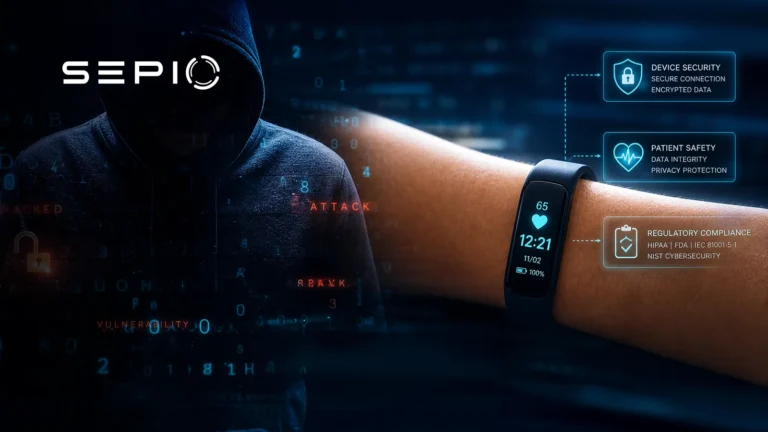
Can biometric sensors be hacked? Yes. While biometric sensors provide a convenient and often more secure alternative to passwords, they are not immune to cyber threats. Fingerprint scanners, facial recognition systems, iris scanners, and other biometric technologies can be targeted through spoofing, sensor manipulation, synthetic biometric data, and other attack techniques.
Biometric sensors measure and analyze unique human characteristics, such as fingerprints, facial features, iris patterns, and palm veins, to verify or identify individuals. These sensors convert biometric characteristics into digital information that can be compared against stored records to authenticate a user’s identity.
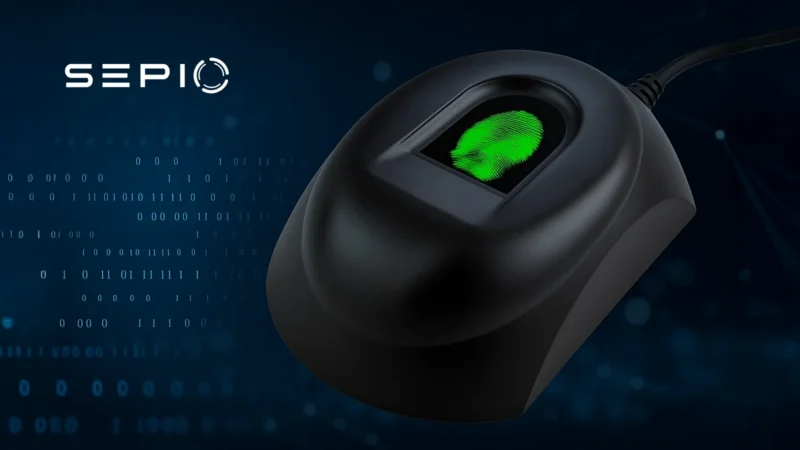
Researchers have demonstrated various biometric sensor bypass techniques, including fingerprint spoofing and facial recognition evasion. For example, researchers have shown that replicated fingerprints created from materials such as gelatin or conductive ink can, under certain conditions, deceive vulnerable fingerprint scanners.
These spoofing vulnerabilities highlight the need for continuous innovation in biometric security, as hackers develop increasingly sophisticated tools to bypass even the most advanced sensors. Stay informed about emerging biometric sensor hacking techniques and learn how hardware-level security can help safeguard your systems against evolving threats.
Biometric Sensor Bypass Use Case
A growing concern for organizations that rely on biometric authentication is the risk of biometric sensors bypass. In one notable case, a large corporate bank using palm-vein biometric authentication discovered that its biometric sensors had been bypassed. Hackers managed to compromise the palm-vein scanner, granting unauthorized access to secure areas.
The breach was detected by a third-party security system, which identified the device manipulation within the palm-vein scanner, showing how easily biometric sensor authentication can be bypassed if the right security measures are not in place. This incident underscores the fact that even highly secure biometric methods like palm-vein scanning require additional layers of protection to detect physical tampering and hardrware-level bypass attacks.
Biometric Authentication Bypass Techniques
There are various forms of biometric authentication, including fingerprint recognition, iris scanning, typing patterns, and palm geometry. While fingerprint recognition remains the most widespread form of biometric authentication, its vulnerability to hacking is becoming more apparent. Bypassing biometric sensors can be achieved using various techniques, one of which involves intercepting and manipulating the biometric data during the authentication process.
In the case mentioned, the hacker used a BeagleBone board running USBProxy. By connecting the device to both the scanning unit and the system storing biometric data, the hacker was able to bypass the biometric sensor’s authentication process.
This exploit demonstrates how easy it can be for hackers to use hardware attack tools to compromise even the most advanced biometric fingerprint security systems.
Securing Biometric Sensors Against Bypass Attacks
Biometric sensor authentication systems are becoming increasingly popular in everyday devices, from smartphones to laptops. Organizations in high-security sectors, such as banks and government agencies, also rely heavily on this technology to enhance access control and protect sensitive data.
However, as the threat of biometric sensor bypass grows, organizations must adopt advanced cybersecurity measures. These measures are crucial to protect their systems effectively. Hackers often use network and USB interfaces to bypass biometric security.
Sepio’s patented technology actively detects and exposes these hidden hardware attacks. Sepio’s solution leverages physical layer fingerprinting, detecting and blocking unauthorized devices before they can exploit biometric systems.
The Role of Hardware-Level Protection
The Sepio platform uses advanced Machine Learning algorithms to analyze hardware device behavior in real time. It provides comprehensive visibility into all hardware assets connected to the network, revealing hidden, rogue, or hacked devices that could facilitate biometric authentication bypass attacks.
This level of visibility into hardware activity is essential for detecting and stopping biometric authentication bypass. It also helps maintain the integrity of security systems.

Biometric Authentication Cybersecurity
As biometric authentication advances, hackers develop new ways to bypass it. To stay ahead, organizations need security solutions that protect biometric data and address ignored hardware vulnerabilities.
Sepio’s hardware cybersecurity platform provides a powerful shield against biometric sensor bypass attempts. Sepio detects and stops hardware-based attacks, helping organizations maintain control and reduce the risk of unauthorized access.
Concerned about biometric sensor bypass and hidden hardware vulnerabilities? Sepio’s patented technology helps organizations gain visibility into their connected hardware, detect unauthorized devices, and enforce security policies that reduce the risk of biometric authentication attacks. Speak with a Sepio expert to discover how hardware-level security can strengthen your biometric authentication systems.
Talk to an expert. It will help you understand how to use Sepio’s patented technology to gain control of your asset risks.
Talk to an expertFrequently Asked Questions
A biometric sensor is a device that captures a unique physical or behavioral characteristic and converts it into data that can be used for identification or authentication. Common examples include fingerprint scanners, facial recognition cameras, iris scanners, palm-vein readers, and voice recognition systems. Because these sensors are part of an authentication process, compromising the hardware can create security risks even when the underlying biometric technology is reliable.
Yes. Biometric systems can be targeted through spoofing, presentation attacks, compromised hardware, manipulated communications, stolen biometric data, and weaknesses in the systems surrounding the biometric sensor. The risk depends on the technology, implementation, security controls, and physical environment. Protecting biometric authentication therefore requires security measures that address both the biometric data and the hardware used to capture and process it.
A fingerprint scanner can potentially be bypassed through techniques such as presentation attacks using artificial fingerprints, exploitation of weaknesses in the sensor or authentication software, or manipulation of the hardware and communications connecting the scanner to the host system. The specific feasibility of an attack depends on the scanner and its implementation. Organizations should therefore combine biometric authentication with device verification, access controls, monitoring, and hardware security.
Biometric sensors can provide strong authentication, but no authentication technology should be considered completely immune to attack. Security depends on the entire authentication ecosystem, including the sensor, software, communications interfaces, biometric templates, and physical environment. Continuous monitoring and hardware-level security can help detect unauthorized devices, tampering, and other threats that conventional identity controls may overlook.
A biometric authentication bypass attack is an attempt to defeat or circumvent a biometric verification process without successfully presenting the authorized user’s genuine biometric characteristic. Attacks can target the biometric input, sensor, communications path, authentication software, or connected hardware. Hardware-based bypass attacks are particularly important because they can exploit components that may not be adequately monitored by traditional cybersecurity tools.