When it comes to cybersecurity, much of the focus tends to be on software and the threats it poses. However, hardware-based security is often overlooked, despite its critical role in protecting organizations from evolving cyber threats. As enterprises invest in software defenses, many still lack visibility into the hardware assets connected to their networks, creating security blind spots that can be exploited by attackers. This is largely due to a limited understanding of how hardware-based security works and why it is an essential component of a strong cybersecurity strategy. Physical hardware security is equally important. Without the ability to identify and verify connected devices, organizations may be unaware of unauthorized assets, rogue peripherals, spoofed devices, or other hardware-based attack vectors operating within their environment.
It’s time to debunk some of the most common myths surrounding hardware-based security and understand why it plays a critical role in modern cyber defense. Every enterprise is a potential target for malicious actors, and attacks can happen for various reasons. The key takeaway is that you can strengthen your company’s defenses by focusing on hardware-based security, improving physical hardware security, and gaining visibility into the Physical Layer.
Myth #1: Hardware-Based Attacks Don’t Exist!
Just because hardware-based attacks are not often in the headlines does not mean they don’t exist. Most cyberattacks that attract media attention involve large organizations falling victim to software-based attacks carried out by well-known cybercriminal groups. These stories tend to generate more public interest and media coverage, which is why they often dominate the news cycle.
Additionally, many organizations choose not to disclose information about hardware-based attacks because such incidents may expose gaps in physical security and asset management. Another reason these attacks receive less attention is that many enterprises are unaware they have been targeted. When a security breach occurs, the typical assumption is that it resulted from a software vulnerability, phishing campaign, or credential compromise. This misconception, combined with limited visibility into hardware assets and hardware-based attack tools, can cause the true attack vector to go unnoticed.
However, hardware-based attacks are very real and can have significant financial consequences. One example is the rise of Black Box attacks targeting ATMs. These cash-dispensing machines have become attractive targets for cybercriminals because they provide an immediate financial payout. Rather than using brute-force techniques, attackers can connect a hardware attack tool known as a Black Box to the ATM’s internal computer and manipulate communications through a man-in-the-middle (MiTM) attack to force the machine to dispense cash. Since 2021, Black Box attacks have resulted in approximately €1.5 million in losses across Europe alone.
Myth #2: Hardware-Based Security Is not Necessary If We Use VPNs
Yes, security measures such as NAC, IDS/IPS, firewalls, and VPNs provide an important layer of protection. However, cybercriminals are constantly evolving their tactics and looking for new ways to exploit security blind spots, including those found in the hardware domain. Many traditional security solutions focus on users, applications, endpoints, or network traffic, but they lack visibility into the Physical Layer (Layer 1), making it difficult to detect or prevent hardware-based attacks.
Hardware-based attack tools are specifically designed to evade traditional security controls. Operating at the Physical Layer, these devices can impersonate legitimate peripherals, execute human-like commands, and bypass defenses that were not designed to validate hardware identity. As a result, they can be used to carry out a wide range of malicious activities while remaining undetected.
The reality is that no security stack is complete without visibility into connected hardware assets. If you cannot identify the hardware details and true identity of every connected asset within seconds, your organization may still have critical security blind spots that attackers can exploit.
Myth #3: We Don’t Use USBs, So Why Should it Concern Us
That’s a line we’ve heard many times before, but here’s the truth: you do use USBs, and it absolutely should concern you.
Your organization may not allow flash drives, and you may have EPP/EDR solutions in place that restrict or block devices such as phones, keyboards, and mice based on specific VID/PID values. That’s a valuable security measure, but it doesn’t eliminate the risk. Consider the keyboards employees use to type and the mice they use to navigate. Those are USB devices too. While they may be authorized, that doesn’t mean they cannot be impersonated by a covert spoofing device. Attackers can leverage hardware-based attack tools that mimic legitimate peripherals, making them difficult to distinguish from trusted devices.
As long as Human Interface Devices (HIDs) exist in the workplace, there is always a risk that one or more may be illegitimate. Without visibility into the Physical Layer, organizations lack a reliable way to verify the true identity of connected devices and determine which assets are legitimate and which may pose a security risk

Myth #4: Why Would Anyone Want to Hack Us?
The reality is that cybercriminals target organizations of all sizes. The idea that hackers only pursue large corporations or government entities is outdated. Any organization with valuable data, intellectual property, financial assets, or network access can become a target, regardless of its size or industry. From data theft and espionage to ransomware and financial fraud, attackers are constantly looking for opportunities to exploit security gaps.
While many organizations invest heavily in software-based defenses, hardware-related blind spots often remain overlooked. Without effective hardware-based security and visibility into connected assets, enterprises may be exposed to sophisticated attack methods that operate at the Physical Layer, where many traditional security controls have limited visibility.
Why Hardware-Based Security and Physical Hardware Security Matter
Hardware-based security is essential for defending against threats that can bypass traditional software-focused defenses. As cyber threats continue to evolve, organizations must extend their security strategy beyond users, applications, and network traffic to include the hardware assets connected to their environment. By improving hardware-based security and physical hardware security, organizations can reduce blind spots, strengthen asset visibility, and better detect unauthorized, rogue, or spoofed devices.
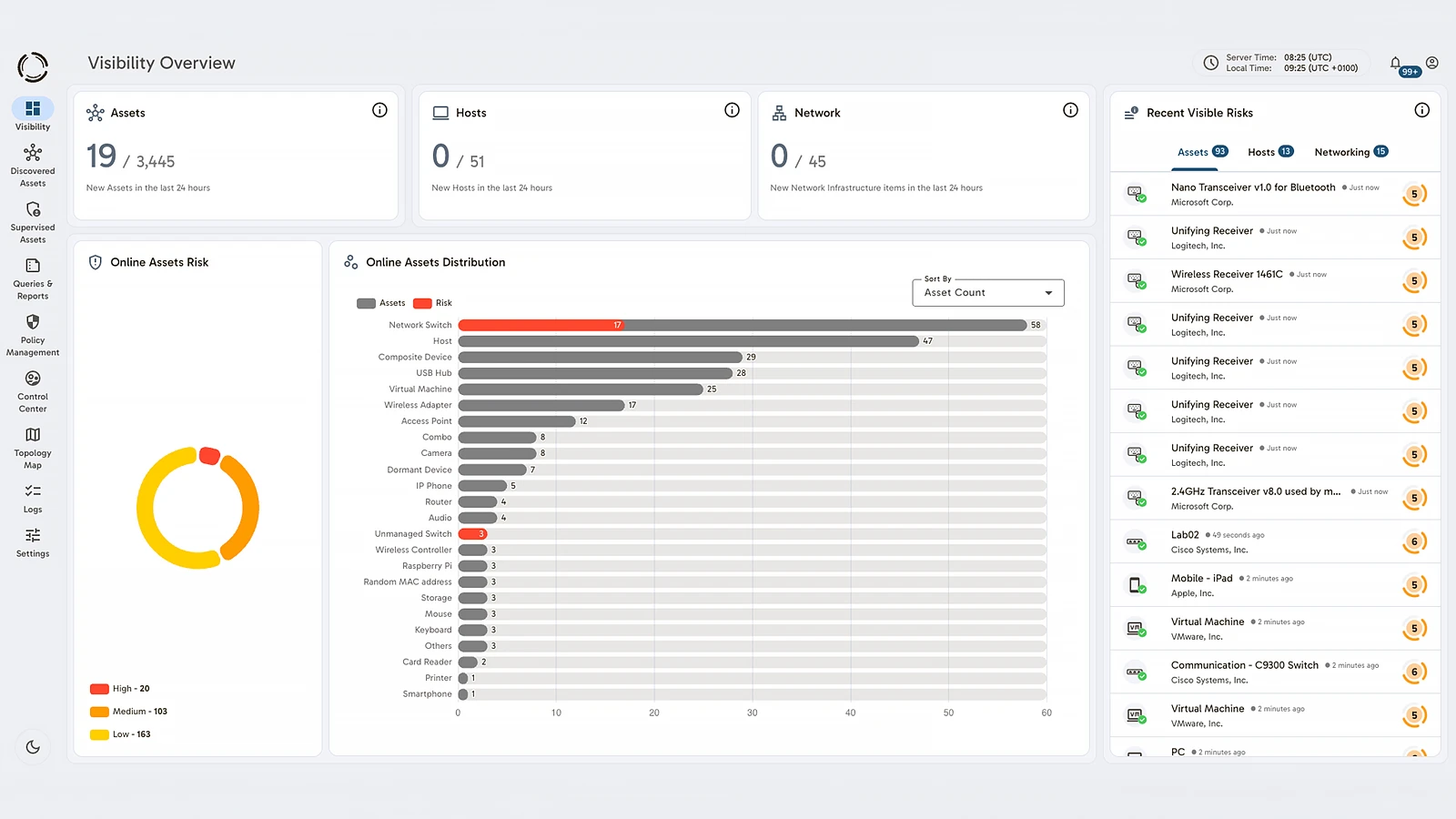
Gaining visibility into the Physical Layer enables security teams to identify connected assets, verify their identity, and reduce the risk of hardware-based attacks before they can cause harm. Take proactive steps to protect your business by gaining full visibility into your hardware assets.
Learn more about the critical role of hardware-based security and how it can strengthen your overall cybersecurity posture. Read the article in Security Affairs to learn more about these myths.
Enhance Your Endpoint and Network Security
Organizations looking to improve hardware-based security should combine traditional security controls with solutions that provide Physical Layer visibility, device identity verification, hardware asset inventory, and the ability to detect rogue or spoofed devices.
Partner with Sepio to fortify your defenses against network security threats. Discover how our advanced hardware based security solutions protect your assets, ensure compliance, and safeguard client trust.
Schedule a demo and discover how our advanced hardware security management solutions can protect your assets, ensure compliance, and maintain the trust of your clients. Let’s build a robust security network together!