Simplify healthcare asset management with complete visibility into every connected asset across your healthcare environment. Discover, identify, and continuously monitor IT and IoMT devices to detect unauthorized assets, reduce cyber risk, support HIPAA compliance, and strengthen operational resilience.

Healthcare organizations must manage a growing number of connected medical devices, IT assets, and clinical systems, often without a unified asset inventory or real-time visibility. This lack of visibility creates significant challenges for security and IT teams. Common pain points include operational disruptions, unmanaged remote workforces, regulatory non-compliance, uncontrolled physical access, and excessive hardware clutter.
To address these challenges, healthcare organizations must meet strict regulatory requirements such as HIPAA, while also optimizing budgets, improving resource planning, and safeguarding patient safety. Sepio’s Asset Risk Management solution provides the visibility and control healthcare professionals need to effectively manage risk across their entire asset landscape.

With Sepio, we’re bringing a new set of information to our asset inventories and it’s helping us better plan the lifecycle of assets and better understand what devices we need so we’re better at asset management.
Michael Erickson
Chief Information Security Officer, Baptist Health

Sepio interested me so much with a capability I haven’t seen before. Being able to categorize and capture what you have on the visible side is really important in this risk management space.
Bonnie Stith
Former Director of the Center for Cyber Intelligence in the CIA

Resource Planning & Asset Lifecycle Management
Improve budget planning, optimize asset utilization, reduce hardware clutter, and gain insights into asset lifecycles across healthcare facilities.

Clinical Service Continuity
Ensure critical medical devices, clinical systems, and healthcare infrastructure remain available to support uninterrupted patient care.

Healthcare Compliance and Audit Readiness
Support compliance initiatives related to HIPAA, GDPR, cybersecurity frameworks, and healthcare regulatory requirements through accurate asset inventories.

Unified Asset Inventory
Maintain a continuously updated inventory of IT assets, medical devices, IoMT devices, and third-party equipment regardless of location or network connectivity.

Reduce Cybersecurity Risks
Identify rogue devices, unauthorized hardware, and unmanaged assets that may increase the attack surface and expose healthcare organizations to cyber threats.

Zero Trust Hardware Access Control
Implement policy-based hardware access controls and automated mitigation workflows to prevent unauthorized device connections and support Zero Trust security initiatives.
Healthcare asset management begins with accurate asset discovery. Traditional network-based tools often miss devices that generate limited traffic, operate intermittently, or exist outside standard monitoring systems.
Sepio’s patented AssetDNA™ technology delivers visibility at the Physical Layer, allowing healthcare organizations to identify IT assets, medical devices, IoMT endpoints, peripherals, and unmanaged hardware with unmatched accuracy.
By leveraging Physical Layer data, Sepio’s healthcare asset management solution discovers known and unknown devices, improves medical device inventory accuracy, reduces asset-related cybersecurity risks, strengthens IoMT security programs, supports healthcare compliance requirements, and enhances operational resilience and patient safety.
Cybersecurity experts Bonnie Stith and Joseph Steinberg joined us for a packed session, sharing experience-based insights on hospital asset risk management. The session has been broken down into bite-sized clips for easy viewing. Watch on YouTube
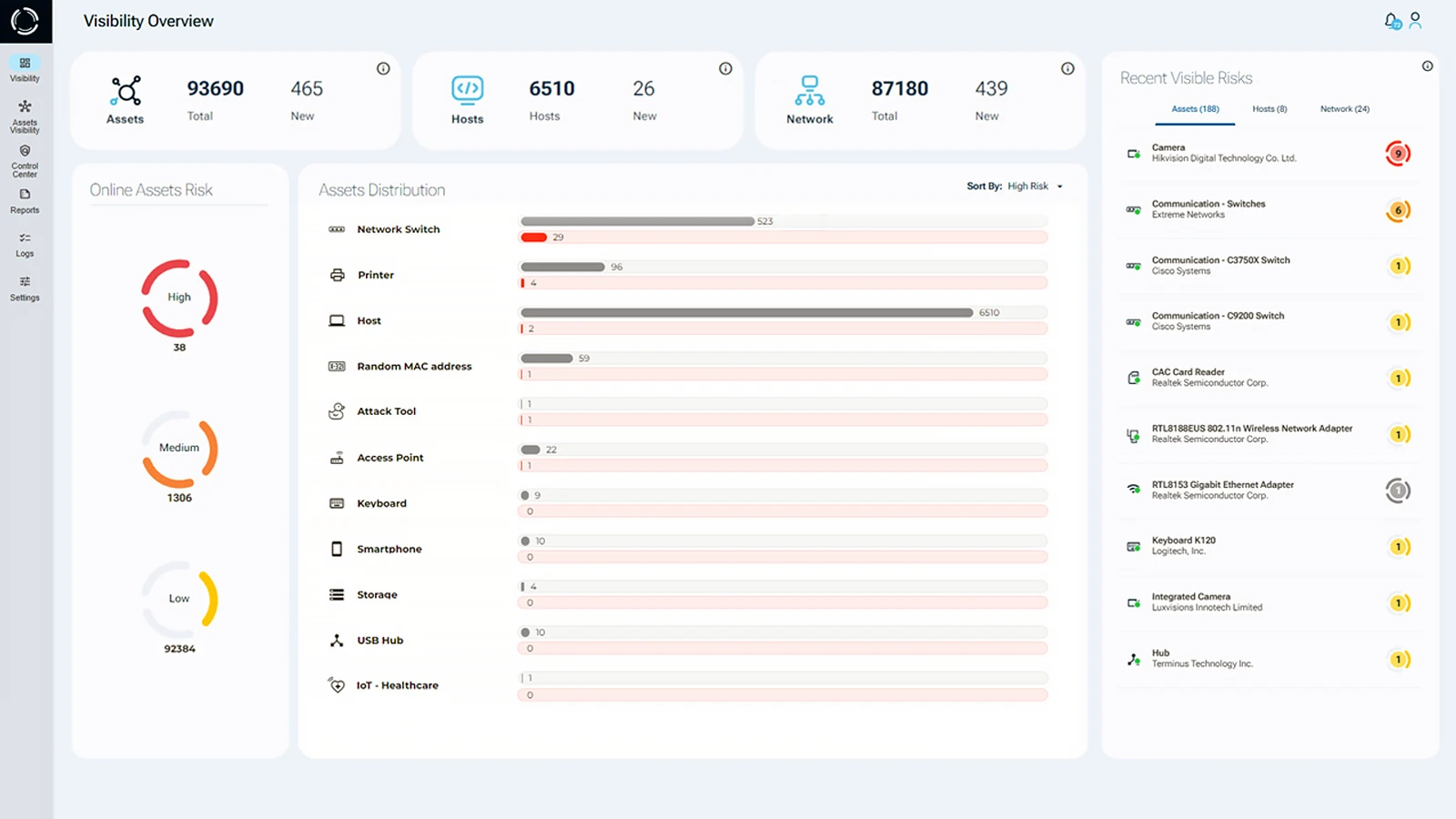
Healthcare asset management is the process of identifying, tracking, monitoring, and managing medical devices, IT assets, IoMT devices, and other healthcare equipment throughout their lifecycle. Effective healthcare asset management improves visibility, operational efficiency, cybersecurity, compliance, and patient safety.
Sepio helps healthcare providers gain visibility into the full spectrum of connected assets across IT, IoMT, clinical, and operational environments. This reduces blind spots that can affect security, compliance, and service continuity.
Hospitals and clinics operate highly mixed environments with legacy devices, clinical equipment, unmanaged peripherals, temporary assets, and constantly changing connectivity. That makes it difficult to maintain a complete and trustworthy inventory with traditional methods alone.
By helping security and IT teams verify what is physically connected, Sepio reduces the chance that unknown or manipulated hardware affects critical workflows. Better hardware trust supports uptime, resilience, and safer operations.
Yes. Sepio helps healthcare organizations identify, assess, and prioritize asset risks across connected medical and non-medical hardware, including devices that may otherwise remain invisible or poorly classified.
Sepio supports compliance programs by improving asset accountability, exposing unmanaged hardware risk, and helping teams document stronger control over connected assets in regulated environments.